Buying a home in Campbell, CA often comes down to one defining choice: the lively, walkable energy of downtown Campbell or the calm, space, and privacy of its residential neighborhoods. If you’re comparing condos, townhomes, and single-family homes in Campbell, this local guide breaks down the real-world differences so you can choose with confidence.
Are you drawn to the buzz of Campbell Avenue or the calm of tree-lined streets? Choosing between downtown Campbell and its quieter residential pockets comes down to how you live day to day. You want the right balance of parking, maintenance, weekend fun, and commute convenience. This guide gives you a clear, local comparison and practical checklists to make a confident choice. Let’s dive in.

Quick fit check
Downtown fits you if you want
- Walk-to-dining convenience and frequent weekend events.
- Low-maintenance living with building-managed amenities.
- A higher-energy environment with more evening foot traffic.
- A condo or townhome with compact private outdoor space.
Suburban fits you if you want
- A private yard and more storage for gear or pets.
- A garage and driveway with flexible parking for multiple drivers.
- Quieter evenings and less foot traffic.
- More autonomy over exterior changes and projects.
Downtown Campbell snapshot
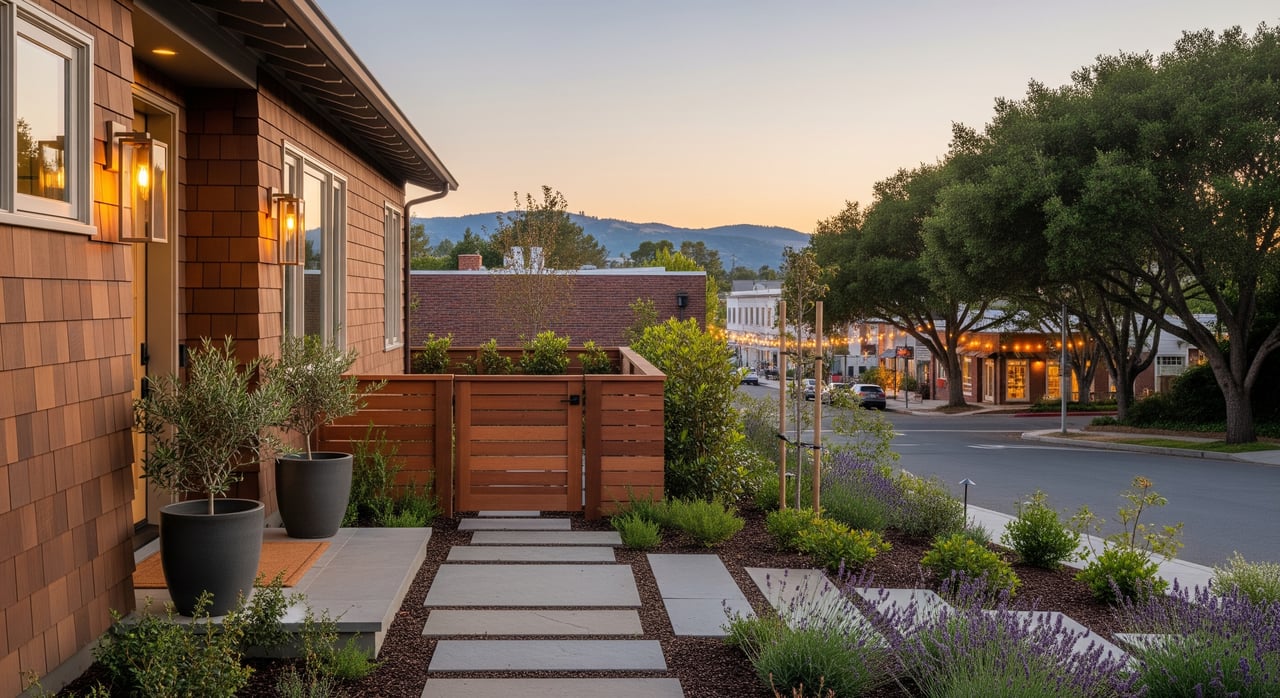
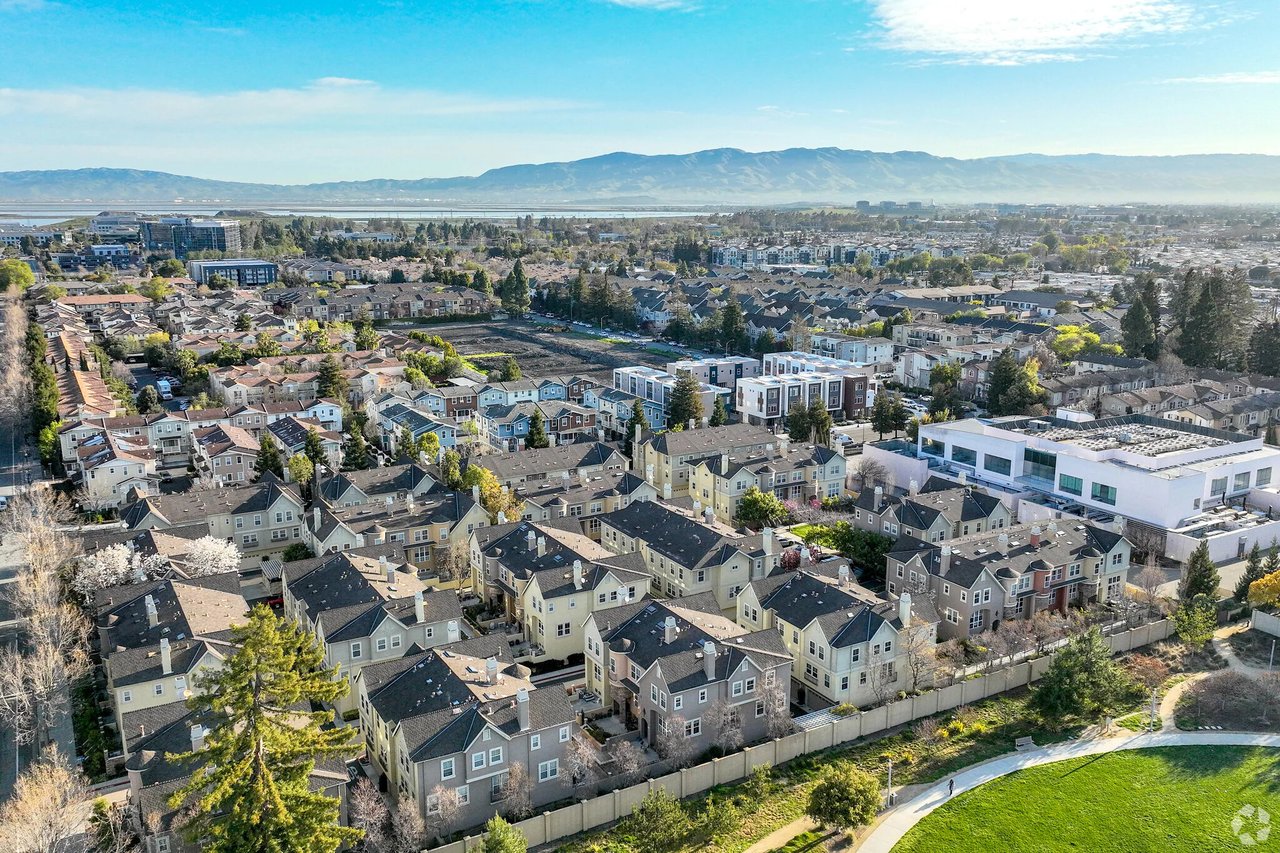
Downtown Campbell centers on Campbell Avenue and nearby commercial blocks. Housing here is primarily condos, townhomes, and mixed-use buildings with ground-floor retail and restaurants. Buildings tend to be low- to mid-rise.
You’ll likely trade larger yards for walkability and shared amenities. Many residents pick downtown so they can stroll to cafes, bars, boutique retail, and a farmers’ market, with frequent street-level activity on weekends.
Suburban Campbell snapshot
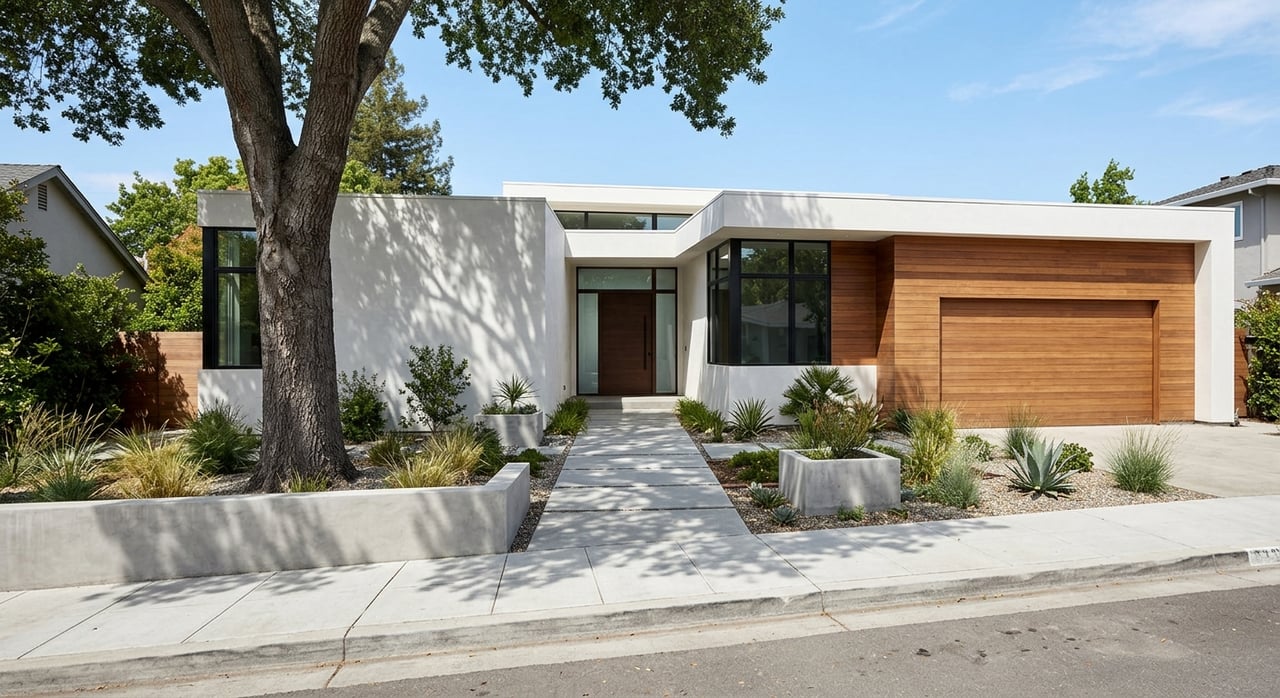
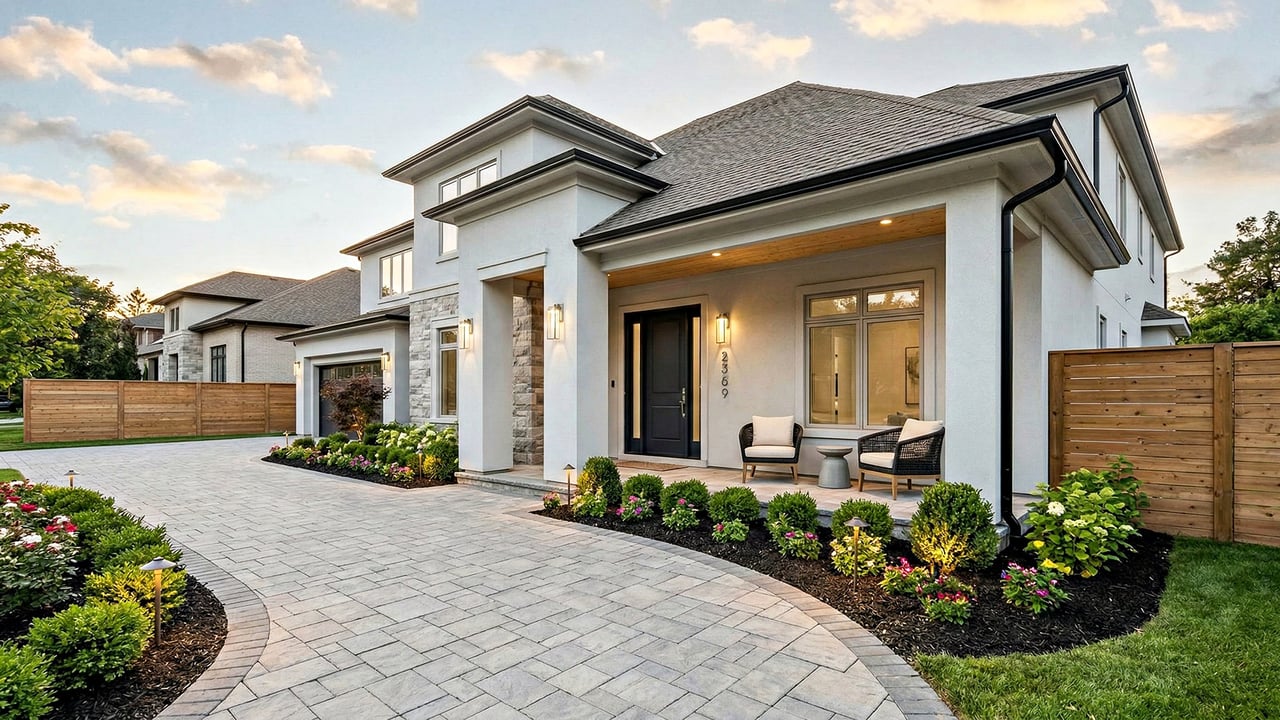
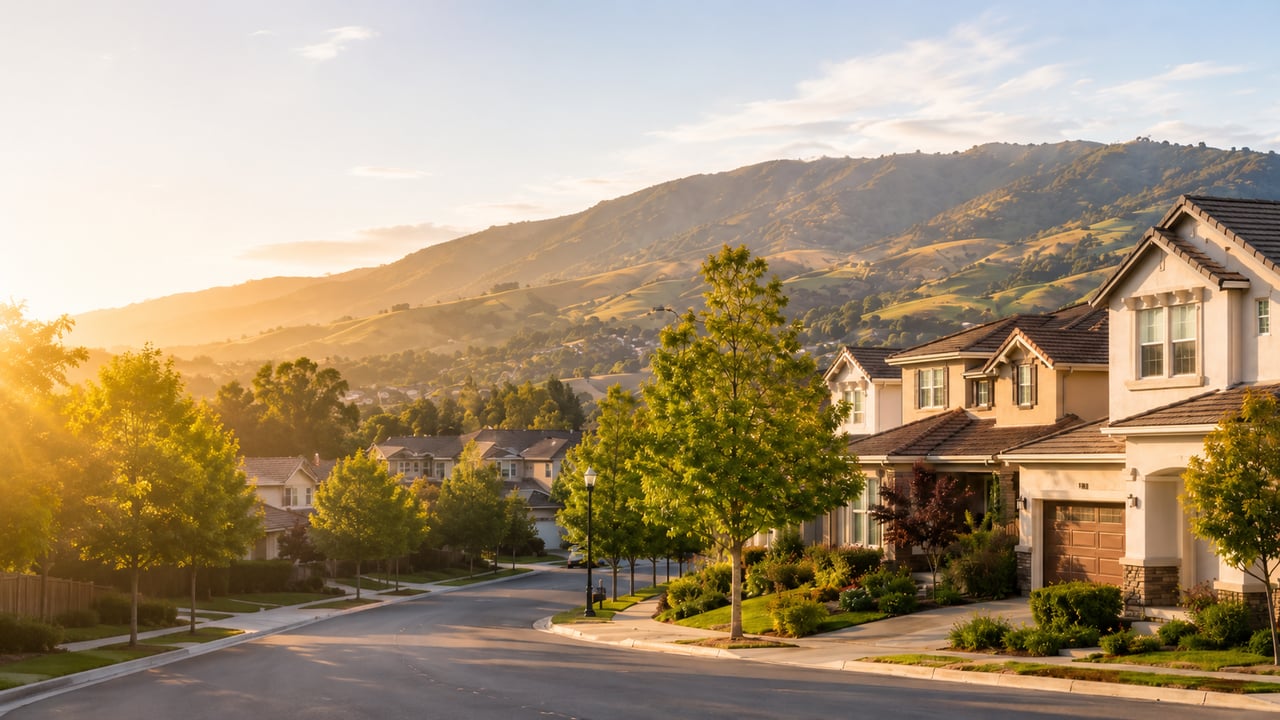
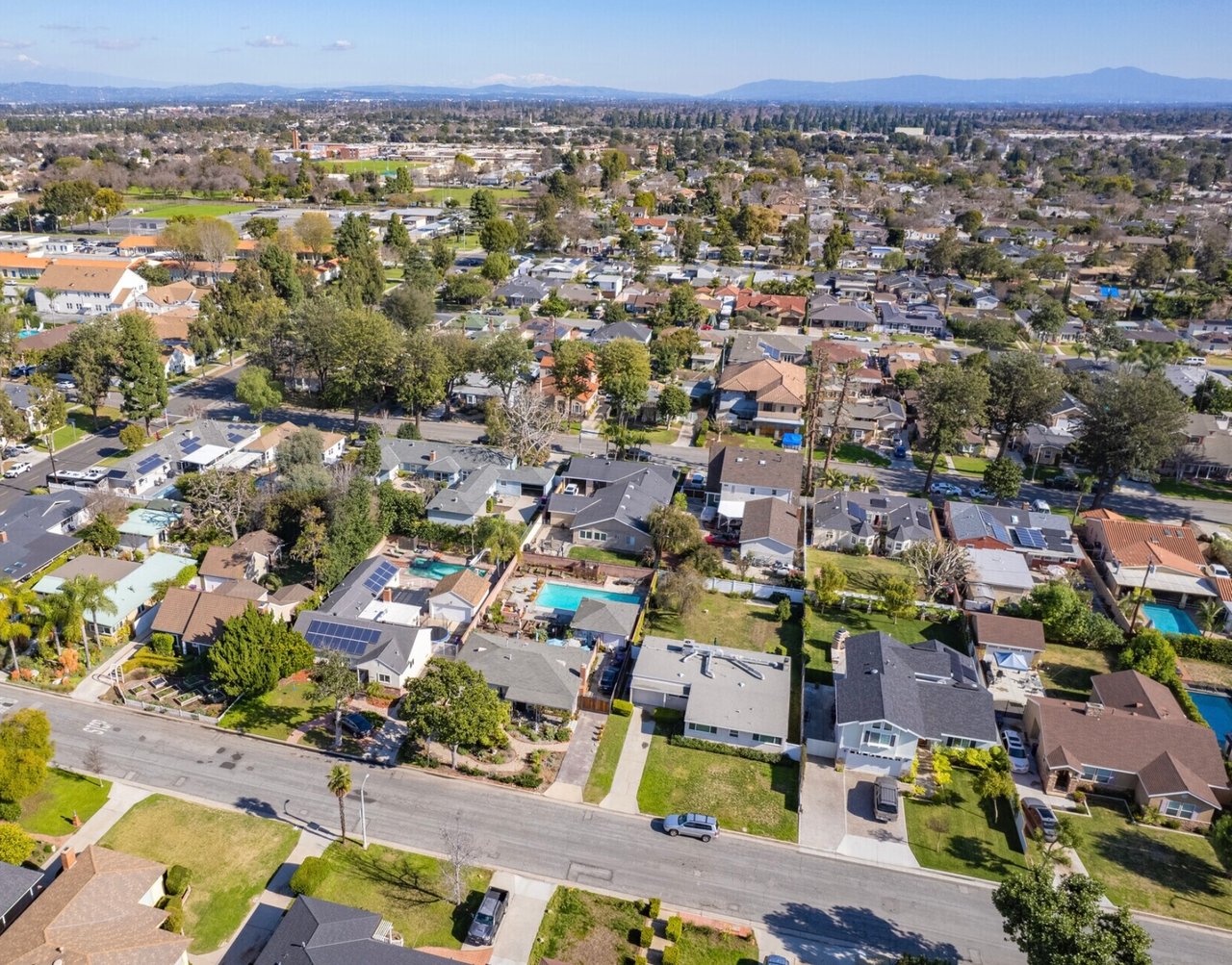
Outside the core, Campbell is mostly low-density single-family neighborhoods with tree-lined streets. Homes often date to the mid-20th century, with garages, driveways, and private yards. You may still find small townhouse clusters and some duplexes.
The feel is quieter in the evenings. You’ll have more space and autonomy, though you’ll likely drive to a wider variety of restaurants and entertainment.
Parking and storage
Downtown condo and townhome parking
- Expect assigned spaces in a garage or covered structure. Confirm the exact number for your unit.
- Guest parking is often limited and regulated by the HOA. Review visitor policies and enforcement.
- Street parking near downtown can be metered or time-limited. Plan for guests accordingly.
- EV charging varies by building age and setup. Ask about charger installation approvals, available electrical capacity, and any costs.
Suburban single-family parking
- Most homes have a driveway and an attached garage for one to three cars, plus generally fewer on-street restrictions.
- Easier storage for bikes, tools, and bulky items.
- EV charging is often possible in a private garage, subject to local permitting and any neighborhood rules.
HOA costs and control
Downtown condo and townhome HOAs
- Advantages: exterior maintenance, landscaping, common-area upkeep, and sometimes amenities like gyms or community rooms. The master insurance policy often covers the building envelope.
- Tradeoffs: monthly HOA fees, rules on renovations, rentals, pets, and exterior changes.
- Due diligence: review CC&Rs, bylaws, meeting minutes, annual budgets, reserve studies, insurance declarations, and any pending litigation or special assessments. If you need FHA or VA financing, check the project’s approval status with your lender.
Suburban single-family ownership
- Advantages: more control over your property and no monthly HOA fee in most neighborhoods.
- Tradeoffs: you handle your own landscaping, roof, systems, and contractor coordination. Operating costs can vary year to year.
Weekend lifestyle and amenities
Downtown lifestyle
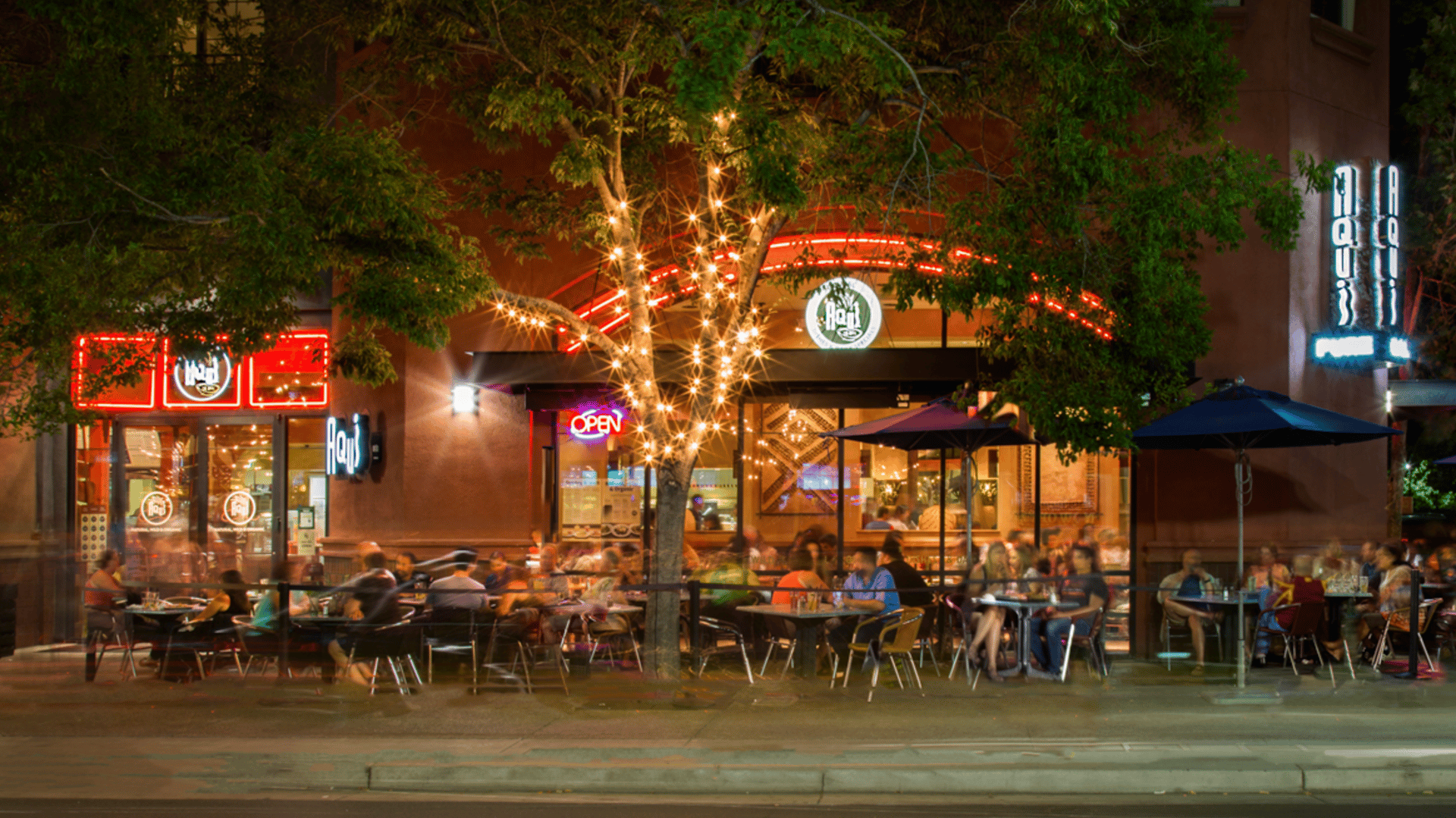
- Walk to restaurants, cafes, bars, boutique retail, and a farmers’ market, often within a few city blocks.
- Expect more evening activity and ambient noise, especially near venues and event days.
- Private outdoor space is smaller, but buildings may offer shared rooms or patios.
Suburban lifestyle
- Enjoy neighborhood parks, playgrounds, and time in your own yard.
- Streets are generally quieter with less foot traffic.
- You’ll likely drive for a broader dining selection or larger shopping centers.
Commute and transit
- Road access: Many Campbell residents use CA-17, CA-85, and I-280 for regional commutes. Local street access varies block by block, so the quickest freeway on-ramp can differ within the same neighborhood.
- Peak congestion is normal during Silicon Valley commute windows. The closest route is not always the fastest, so test your typical commute at rush hour with real-time directions.
- Transit and active options: Local bus service is operated by the Santa Clara Valley Transportation Authority. Regional rail connections are available at nearby stations such as San Jose Diridon. Downtown locations often put you closer to bus stops and walkable errands. Suburban homes may require a short drive to transit hubs. Biking and e-bikes can be useful for short trips.
Noise, privacy, and comfort
- Downtown: more ambient sound from restaurants, bars, and event activity. Unit orientation matters, so compare street-facing homes with courtyard or interior options, and ask about building sound insulation.
- Suburban: typically quieter evenings, though proximity to arterials or freeways can introduce localized noise. Visit at different times to gauge the sound profile.
Resale and long-term value
- Downtown condos and townhomes: appeal to buyers seeking walkability and low maintenance. Resale depends on building condition, HOA financial health, and demand for the lifestyle.
- Suburban single-family homes: often attract a wider buyer pool that wants outdoor space and more autonomy. Price points tend to be higher for similar square footage in the Bay Area. Marketability often reflects lot size, neighborhood character, and access to local services.
Due diligence checklists
For any Campbell property
- Commute tests: run your routes to major employment centers at peak hours for several days.
- Noise checks: visit on weekday mornings, weekday evenings, and weekend nights.
- Walkability: time your walk to grocery, parks, restaurants, and transit stops.
- Schools: confirm attendance boundaries on district websites if they matter to your decision.
- Inspections: roof, foundation, HVAC, plumbing, and pest.
- Connectivity: verify broadband options and speeds if you work from home.
Extra checks for condos and townhomes
- HOA documents: CC&Rs, bylaws, meeting minutes, budgets for the last 2 to 3 years, reserve study, insurance declarations, special assessment and litigation disclosures.
- Parking and storage: number and type of assigned spaces, guest parking rules, bicycle storage, and lockers.
- Insurance: understand master policy coverage and what your unit policy must cover.
- Building systems: age and condition of roof, elevators, and HVAC; review recent capital projects and planned repairs.
- Financing: confirm FHA or VA approval status if relevant.
- Lifestyle rules: pet policies, renovation permissions, noise and nuisance rules, and common-area hours.
Extra checks for single-family homes
- Easements and setbacks: verify property boundaries, side-yard constraints, and any shared drives.
- Yard and drainage: evaluate grading, mature trees, irrigation, and drainage patterns.
- Expansion potential: review zoning and permitting for additions or an ADU with city or county planning.
- Neighborhood covenants: if there is an HOA or similar body, obtain governing documents.
Financial planning snapshot
- Compare monthly costs: HOA dues versus expected maintenance and landscaping for a single-family home.
- Taxes and assessments: review the local property tax rate and any known assessments.
- Insurance: condos often need an HO-6 policy; single-family homes typically use HO-3 style coverage. Premiums vary by property type and location.
A simple decision framework
- Clarify your priorities. Rank what matters most: walkability to dining, quiet evenings, a yard, flexible parking, or minimal maintenance.
- Test-drive the lifestyle. Spend a weekend day and an evening in both settings. Do a grocery run, park a guest car, try a commute, and listen for noise.
- Run the numbers. Compare monthly HOA dues with estimated single-family maintenance. Add insurance, parking considerations, and any planned upgrades like EV charging.
When you weigh lifestyle fit alongside long-term costs and commute tolerance, the answer usually becomes clear.
Ready to explore properties that match your lifestyle criteria in Campbell? Connect with the local team that blends market savvy with neighborhood insight. Reach out to Milestone Realty to get a tailored plan for your next move.
FAQs
Downtown Campbell parking: how many condo spaces?
- Expect at least one assigned space per unit in many buildings, and confirm whether tandem or compact spaces are used and how guest parking is managed by the HOA.
Are HOA fees worth it for downtown living?
- It depends on your priorities; HOAs reduce personal maintenance and can offer amenities, but add recurring costs and rules, so evaluate financials and services closely.
EV charging in condos: can I install a charger?
- It varies by building age and HOA policy; many HOAs allow chargers with approval, and some projects may require electrical upgrades at the owner’s expense.
Right-sizing choice: condo or single-family?
- Condos and townhomes suit many right-sizers seeking walkability and less maintenance, while single-family homes fit those who prioritize yards, storage, or multiple vehicles.
Commute reality from Campbell neighborhoods?
- Most residents use CA-17, CA-85, and I-280; congestion peaks at typical commute times, so test your specific route with real-time directions before deciding.
Are short-term rentals allowed in Campbell condos?
- Policies vary widely by building and city rules; review the HOA’s rental and short-term rental policy and check applicable city ordinances before you buy.