Buying A Townhome Or Condo In Milpitas Near Transit Hubs
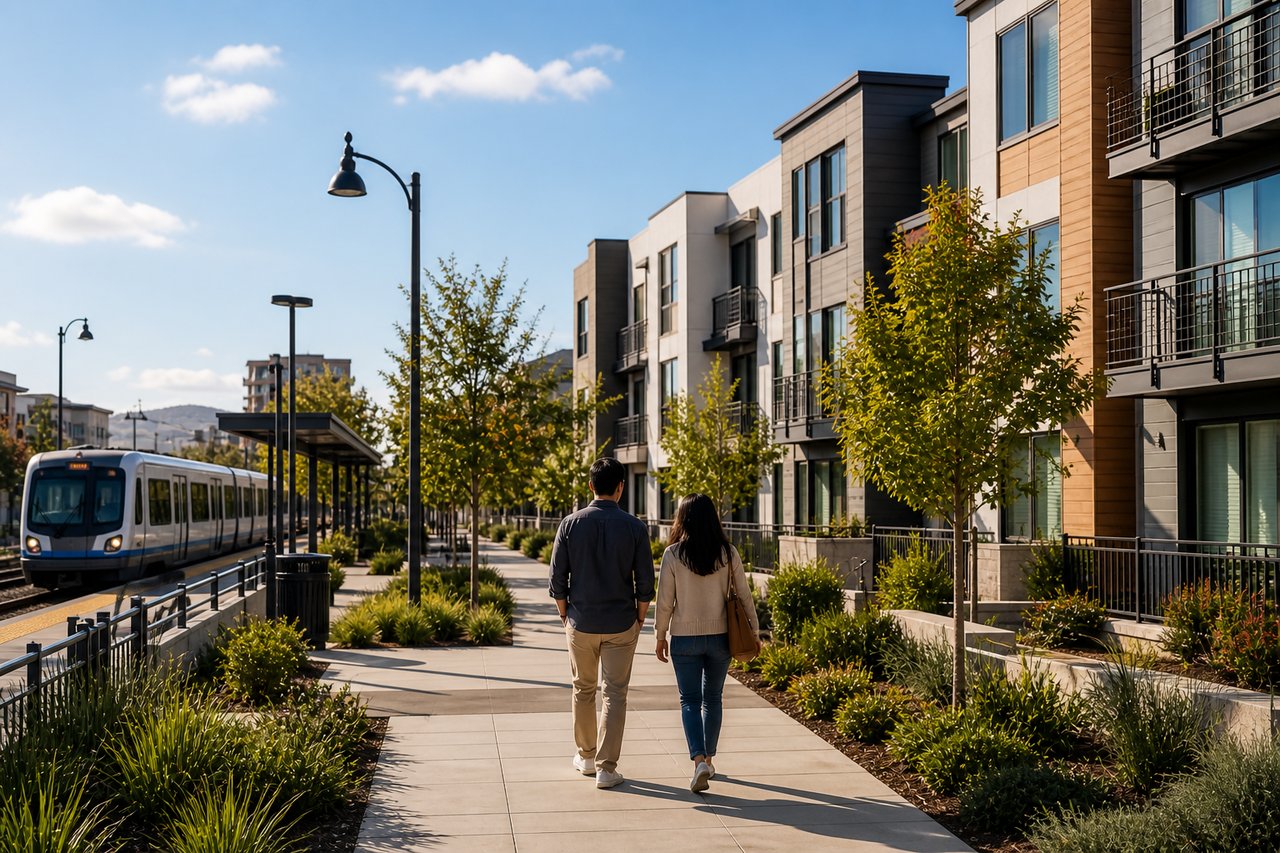
If your daily routine depends on BART, light rail, or a flexible hybrid commute, buying near transit in Milpitas can make a real difference in how you live. You may be weighing convenience, budget, maintenance, and long-term value all at once, especially if you are deciding between a condo and a townhome-style property. This guide will help you understand how transit access, ownership structure, HOA details, and local planning all come together in Central Milpitas. Let’s dive in.
Central Milpitas is one of the South Bay’s clearest examples of transit-oriented growth. The Milpitas Transit Center, near Montague Expressway and Capitol Avenue by the Great Mall, was designed for multiple travel modes and includes significant bike infrastructure. The city identifies it as the center of its Transit Area Specific Plan and BART’s gateway to Silicon Valley.
That matters because the area around transit is not static. The Milpitas Metro Specific Plan expanded from about 437 acres to about 510 gross acres, with the goal of transforming a formerly industrial, auto-oriented district into a connected transit-oriented neighborhood. In the nearby Gateway-Main Street plan area, the city describes a roughly 1,000-acre district that has already seen approval or construction of about 1,200 housing units, along with retail reinvestment and transit improvements.
For buyers, that means you are not just choosing a home. You are buying into an area that is still evolving around transit, mixed-use development, and more connected mobility options. If commute flexibility and everyday access matter to you, Central Milpitas deserves a close look.
Not all transit-adjacent homes function the same way in real life. Some buyers walk to BART or light rail every day, while others drive part of the way, bike to the station, or mix in local bus and microtransit options. Milpitas gives you several ways to build that routine.
BART’s Milpitas Station is served by VTA and AC Transit, and the city’s SMART microtransit service connects riders to the Transit Center, Great Mall, City Hall, Alder Station, local bus service, and the Milpitas BART Station. If you want a commute that can flex with your schedule, that network can be a major plus.
Station features also matter more than many buyers expect. Milpitas Transit Center has 435 parking spaces and 184 bike lockers, while Great Mall Station has 93 parking spaces and 8 bike lockers. If you expect to split your commute between driving, biking, and rail, those details are worth comparing before you choose a community.
This is one of the biggest points of confusion for buyers. In California, townhome describes the physical style of a home, not necessarily the legal ownership type. A home that looks like a townhome may legally be a condominium or part of a planned development.
That distinction matters because your ownership rights, maintenance obligations, and monthly costs often depend on the legal structure, not the appearance. The California Department of Real Estate explains that the governing documents, ownership form, and HOA framework control how the property is actually run.
So if you are touring a two- or three-story attached home with a garage, do not assume it is automatically fee simple ownership or automatically a condo. The right question is not just “What does it look like?” but “How is it legally structured?”
Near Central Milpitas transit hubs, buyers often compare newer low-maintenance communities with more established HOA neighborhoods. Both can be appealing, but they solve different lifestyle needs.
For example, newer communities near the Milpitas BART Station and VTA light rail often emphasize modern layouts, attached two-car garages, and easy access to shopping and transit. Toll Brothers at South Main is described as an all-electric townhome community with three-bedroom, three-bath homes, attached two-car garages, and a community park with picnic areas and a tot lot.
Parkside West is another example of a townhome-style condo community within walking distance of Milpitas BART and VTA light rail. It is positioned as a low-maintenance option with private two-car garages, multiple floor plans, and a future neighborhood park nearby.
On the other hand, established HOA communities can offer a different mix of benefits. Terra Serena, built in 2009, describes amenities such as a pool, spa, clubhouse access, gigabit fiber internet, and large garages. For some buyers, that established infrastructure may feel more practical than prioritizing the newest construction.
In Central Milpitas, the decision often comes down to tradeoffs. Newer transit-oriented homes may offer current design features, all-electric systems, and a closer relationship to transit, retail, and planned growth. Established communities may offer mature HOA operations, larger garages, gates, and shared amenities that are already in place.
Neither option is automatically better. The best fit depends on how you live now and how you expect to use the home over the next several years. If your priorities include lower day-to-day maintenance and easier station access, newer developments may stand out. If you want established amenities and a community with a longer operating history, an older HOA may be worth stronger consideration.
When you buy a condo or townhome, the mortgage payment is only part of the monthly picture. HOA dues should be treated as a core housing cost, not a side note. The California Department of Real Estate advises buyers to consider HOA dues, special taxes, and assessments when estimating affordability.
This is especially important in transit-area communities, where the value proposition often includes shared maintenance and common amenities. Those benefits can support a lower-maintenance lifestyle, but they also affect your monthly budget. A home that looks affordable at first glance may feel very different once HOA dues, taxes, and other charges are added in.
A practical cost review should include:
Santa Clara County notes that property tax bills may include the general levy, voter-approved special taxes, and city or district direct assessments. The county also states that bills may include Mello-Roos bonds, service fees, liens, and direct assessments.
For condo and townhome purchases, the HOA resale packet is one of the most important parts of your review period. California Civil Code section 4525 requires sellers in common interest developments to provide a broad set of documents and disclosures.
These can include governing documents, current regular and special assessments, unpaid charges, unresolved violation notices, approved but not-yet-due assessment changes, rental restrictions, and other HOA information. If you skip a careful review here, you may miss important details that affect your budget or how you can use the property.
Pay close attention to rules involving:
These details can shape your ownership experience just as much as the home itself.
In attached communities, reserve health is a major part of due diligence. California Civil Code section 5550 requires a reserve study inspection at least every three years for qualifying common interest developments. Buyers should review the latest reserve study to better understand how the HOA is planning for future repair and replacement costs.
There is another important inspection rule in some multifamily properties. Civil Code section 5551 requires a visual inspection at least every nine years for certain exterior elevated elements such as decks, balconies, stairways, and walkways in buildings with three or more attached multifamily units.
If the community has these features, ask to review the latest section 5551 report. This is especially relevant in stacked condo buildings and attached developments where elevated walkways or balconies are part of the design.
Loan eligibility can add another layer to your search. Some condo communities may fit your lifestyle and budget but create financing challenges depending on the loan type you want to use.
The smart move is to ask your lender early whether the community matches your financing plan. If you wait until after you are emotionally invested in a property, that extra hurdle can become frustrating fast.
As you compare options, ask:
Early clarity here can save you time and sharpen your search.
If you are deciding between a condo and a townhome near Milpitas transit hubs, keep your review focused on the issues that affect your daily life and long-term costs.
Use this checklist as a starting point:
For many buyers, a condo or townhome near transit in Central Milpitas can offer a practical path into homeownership with strong commute value relative to detached homes. The area’s continued planning focus around transit-oriented housing and station-area development adds to that appeal.
At the same time, it helps to stay clear-eyed. Homeownership can offer potential equity growth, stability, and possible tax advantages, but equity often builds slowly at first. HOA dues, special assessments, Mello-Roos, and maintenance obligations can all affect how much of your monthly payment goes toward long-term wealth building.
The key is to buy with a full picture of both convenience and cost. When you understand the ownership structure, community finances, and transit reality on the ground, you can make a decision that supports both your lifestyle and your budget.
If you are exploring townhomes or condos in Central Milpitas, having a local guide can make the process much more efficient. The right advice can help you compare communities, spot the meaningful differences behind similar floor plans, and move forward with confidence. If you want help evaluating transit-adjacent options in Silicon Valley, connect with Milestone Realty.
Stay up to date on the latest real estate trends.
September 22, 2026
A More Selective Market
September 17, 2026

September 15, 2026

September 10, 2026

September 3, 2026

August 27, 2026
August 26, 2026
Prices Ease, Inventory Tightens, and the Bay Area Stays Competitive

August 21, 2026

August 20, 2026
You’ve got questions and we can’t wait to answer them.