Downsizing In Willow Glen And Nearby Neighborhoods With Confidence
If your current home feels like more work than freedom, you are not alone. Many longtime San Jose owners reach a point where less maintenance, easier living, and a better fit for the next chapter start to matter more than square footage. If you are thinking about downsizing in North Willow Glen or nearby neighborhoods, this guide will help you plan the move with more clarity, fewer surprises, and more confidence. Let’s dive in.
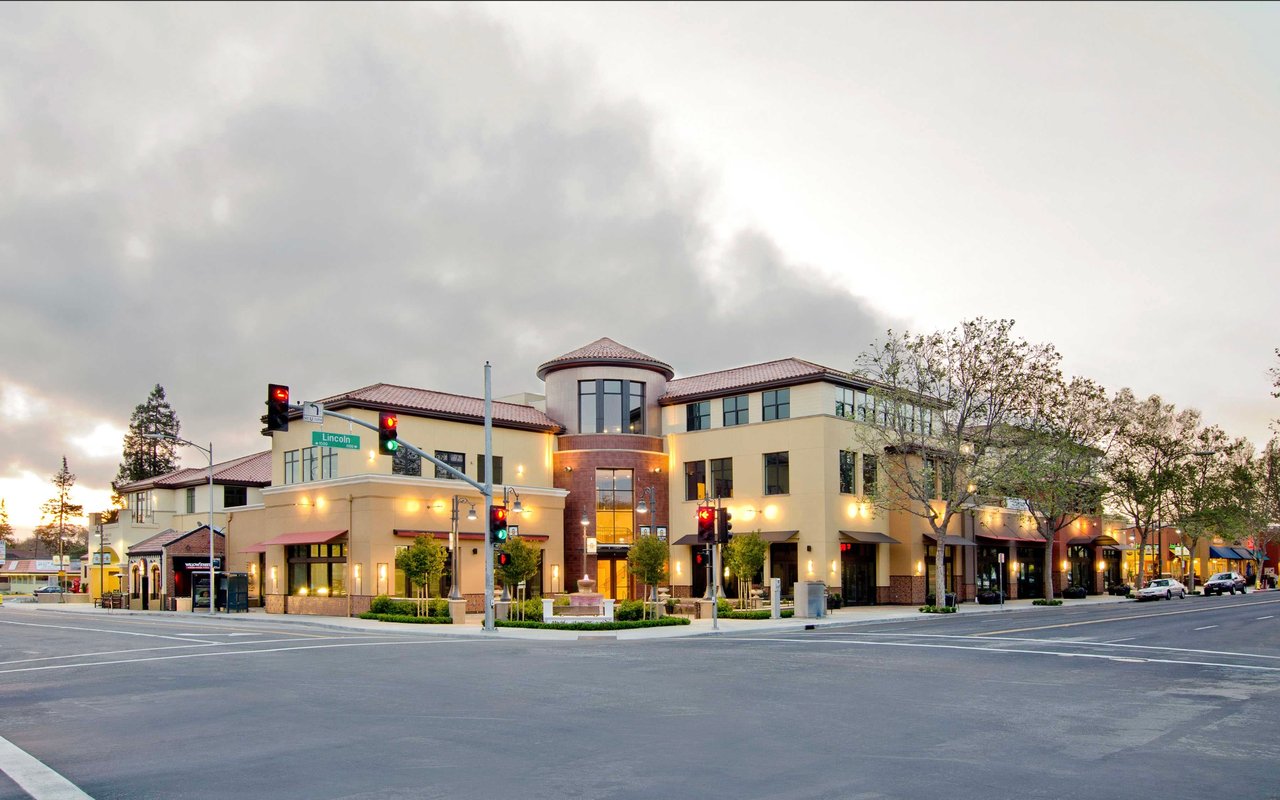
North Willow Glen has a distinct residential character shaped by small lots and homes built largely in the first half of the twentieth century, according to the City of San Jose historic areas overview. That older-scale pattern can make downsizing feel less like a major lifestyle break and more like a natural transition.
For many homeowners, the goal is not to leave San Jose behind. It is to stay close to familiar routines, local services, and the walkable, village-style atmosphere associated with Willow Glen, while moving into a home that is easier to manage.
Nearby neighborhoods may also appeal to downsizers who want a similar sense of place with a different housing mix. Rose Garden is known for its historic architecture and manicured setting, while Naglee Park is recognized as a historic residential area with mature trees and proximity to downtown San Jose.
Before you look at listings, define what downsizing means for you. Some homeowners want lower monthly costs. Others want fewer stairs, less yard work, or a lock-and-leave home that supports travel and flexibility.
A clear goal makes every next step easier. It helps you decide what type of home to target, how quickly to move, and whether staying in North Willow Glen or moving to a nearby neighborhood is the better fit.
Ask yourself:
For many California homeowners, Proposition 19 is one of the most important parts of a downsizing plan. Santa Clara County explains that eligible homeowners age 55 and older, severely and permanently disabled homeowners, and certain disaster victims may transfer the taxable value of their primary residence to a replacement home anywhere in California through the Proposition 19 base-year value transfer program.
For age-55 and disabled homeowners, Santa Clara County notes that this benefit may be used up to three times. That can make a major difference if preserving a lower tax base is part of your long-term financial strategy.
The basic rule is straightforward, but the timing matters. If your replacement home is equal or lesser in value, your original factored base-year value generally transfers without adjustment. If the replacement home costs more, the difference in market value is added to the transferred base-year value, as outlined in the California Board of Equalization Prop 19 summary.
The Board of Equalization also explains value thresholds tied to timing. The replacement property may fall within 100 percent, 105 percent, or 110 percent of the original home’s value depending on whether you buy before the sale, within one year after the sale, or within two years after the sale.
To qualify, both homes must be eligible for the homeowners’ exemption or disabled veterans’ exemption. The original property must be sold, and the replacement property must be purchased or newly completed, within two years of each other, based on the BOE filing guide.
Just as important, the claim is not handled through escrow. You file it with the county assessor where the replacement property is located after both transactions are complete and after you are living in the replacement home. The BOE states that age-55 claims must generally be filed within three years of purchase or completion.
That is why tax planning should begin before you list your home. The sequence of selling, buying, moving, and filing can shape whether your transfer works as expected.
A successful downsizing move is not only about getting smaller. It is about choosing the right level of upkeep, privacy, and flexibility for your daily life.
In San Jose, attached housing often becomes part of the conversation because the price gap is significant. The city’s Q4 2025 housing data reported a median single-family home price of $1.58 million and a median townhome price of $795,000, according to the City of San Jose housing market and affordability materials.
The same affordability materials estimate annual income of about $235,720 to own a median townhome or condo, compared with $444,384 for a median single-family home. That model also includes HOA dues, which is helpful when you are comparing true monthly ownership costs.
A condo may work well if your top priority is reducing exterior maintenance. This option often appeals to homeowners who want a simpler routine and are comfortable with HOA rules and monthly dues.
If you travel often or want fewer household tasks, a condo can offer a practical reset. The tradeoff is that you will likely have less private outdoor space and more shared community structure.
A townhome can be a strong middle option if you want a smaller footprint without giving up too much storage or separation. In many cases, you may still have a garage and a bit more space than you would in a condo.
For homeowners moving from a larger detached property, this can feel like a smoother transition. It balances easier upkeep with a layout that still feels home-like and functional.
A smaller single-family home may be the best fit if privacy and independence matter most to you. In North Willow Glen, the area’s historic pattern of smaller-lot homes can create opportunities to downsize without losing the feel of a traditional neighborhood setting.
This option usually comes with more maintenance than attached housing. Still, for many homeowners, the ability to keep separate walls, private outdoor space, and full control over the property is worth it.
Timing matters when you are trying to coordinate a sale and purchase. The City of San Jose 2025 housing market summary reported that in March 2025, single-family homes averaged 11 days on market, while condos and townhomes averaged 21 days.
That difference can affect your strategy. If you are selling a detached home and buying attached housing, your current home may move faster than your replacement type. That can create opportunities, but it can also create pressure if you have not planned your next steps in advance.
A confident move usually starts earlier than most people expect. When your sale, purchase, move, and property-tax transfer all connect, a thoughtful plan can save you time and stress.
A practical sequence looks like this:
There is no one-size-fits-all answer. Some homeowners prefer to buy first so they can move once and avoid short-term housing.
Others prefer to sell first so they know exactly how much equity they can use and what monthly payment feels comfortable. Under Prop 19 guidance from the BOE, buying first can still work as long as your original home sells within two years of the replacement purchase.
Your best path depends on finances, risk tolerance, and inventory. The right strategy is usually the one that supports both your timeline and your comfort level.
Downsizing often starts with your current house, not the next one. Removing excess furniture, storage-heavy pieces, and long-kept collections can make your move easier and improve how your home shows to buyers.
That is not just about appearance. The National Association of Realtors 2025 Profile of Home Staging found that 29 percent of agents said staging increased the dollar value offered by 1 percent to 10 percent, 49 percent said it reduced time on market, and 83 percent said it helped buyers visualize the home.
The same report noted that the most commonly staged rooms were the living room, primary bedroom, dining room, and kitchen. If you are planning to sell before or during your downsize, starting the purge early gives you more control and less stress.
When you downsize, you are not only choosing a floor plan. You are choosing how you want to live day to day.
If you want a familiar small-town feel, Willow Glen may still be the right fit. If you are drawn to historic architecture and a manicured environment, Rose Garden may be worth a closer look. If you prefer a quieter historic residential setting near downtown, Naglee Park may fit your goals.
The right move is the one that supports your routines, comfort, and long-term livability. That is especially true when you are trying to simplify life without giving up the character and connections that matter to you.
If you are considering a move in North Willow Glen or nearby San Jose neighborhoods, Milestone Realty can help you build a strategy that aligns your sale, your next purchase, and your lifestyle goals with less guesswork and more confidence.
Stay up to date on the latest real estate trends.
September 22, 2026
September 22, 2026
A More Selective Market
September 17, 2026

September 15, 2026

September 10, 2026
September 3, 2026

August 27, 2026
August 26, 2026
Prices Ease, Inventory Tightens, and the Bay Area Stays Competitive

August 21, 2026
You’ve got questions and we can’t wait to answer them.