Choosing Between Sunnyvale and Mountain View Housing
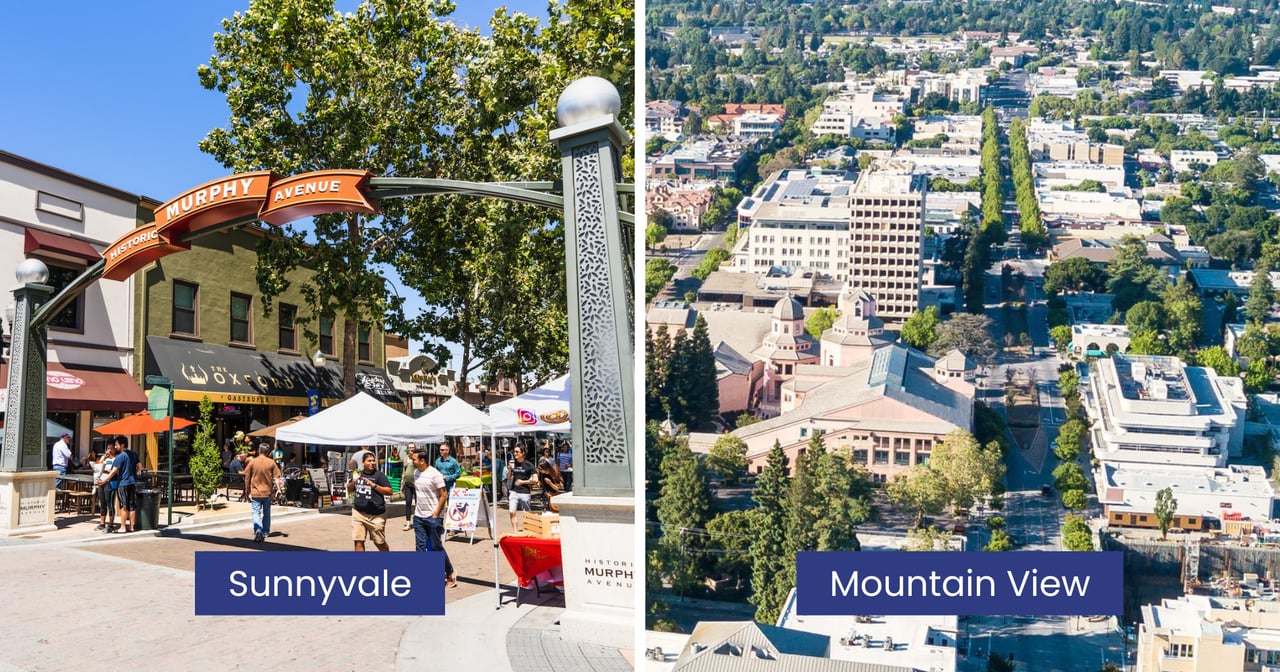
Torn between Sunnyvale and Mountain View? You are not alone. Both offer great access to Silicon Valley jobs, lively downtowns, and a mix of homes that fit different lifestyles. In this guide, you will compare commute patterns, transit access, job centers, neighborhood feel, schools, and price context so you can focus your search with confidence. Let’s dive in.
City averages show both places are close, with mean commute times near 23 minutes. That figure is a baseline, not a promise. Where you live in the city and which side of a highway or station you use can swing your real commute by 10 to 20 minutes. You can review the Census snapshot for context on Mountain View’s baseline commute averages in U.S. Census QuickFacts.
If you favor a transit-first lifestyle, Downtown Mountain View is a standout. The Mountain View Transit Center brings together Caltrain, VTA Light Rail, and bus lines next to Castro Street dining. The city is working on long-term transit access improvements around the station, which can affect traffic patterns during construction, as outlined on the Downtown Mountain View planning page. You can also track the Castro Street grade separation project for the latest updates.
Sunnyvale gives you options with two Caltrain stops, Sunnyvale and Lawrence, which helps buyers in different neighborhoods access the Peninsula line. You can see the full station list on Caltrain’s stations and zones page. If you drive, both cities connect easily to US‑101 and key expressways like Central and 237. Always test drive times from specific addresses during your actual commute window.
Mountain View’s economy is anchored by Google, which the city lists as its largest private employer. That draws a high concentration of jobs around North Bayshore and the Transit Center area. If you want a short last mile to work and a lively dining scene, living within walking or biking distance of Castro Street can be a strong fit. You can see employer context in Mountain View’s ACFR employer listings.
Sunnyvale’s job geography is more distributed. Large campuses and business parks span north Sunnyvale and Moffett Park, with major technology and engineering employers among the city’s largest. That often means easy surface parking, shuttle access, and shorter drives if you live near the north side. For a city overview of employer presence, review Sunnyvale’s ACFR materials hosted here: Sunnyvale employer listings excerpt.
Mountain View’s Castro Street is a bigger, denser core with many restaurants, cafés, and evening options. The weekly farmers market and immediate Transit Center access give the area a strong car‑light appeal for many buyers. You can learn more about long-term downtown planning on the city’s economic development page.
Sunnyvale’s historic Murphy Avenue offers a classic main-street feel. It is smaller in scale, with a friendly downtown vibe, and pairs well with nearby parks and neighborhood streets. North Sunnyvale and Moffett Park have newer multifamily options close to major employers.
In Mountain View, most K–8 public schools fall within the Mountain View Whisman School District, and high schools are part of the Mountain View–Los Altos Union High School District. Boundaries have pockets that cross lines, so always verify both elementary and high school assignments for a specific address. For district information and updates, visit the Mountain View Whisman School District site.
Sunnyvale’s school assignments vary by neighborhood. Many addresses feed into the Fremont Union High School District, including schools such as Homestead and Fremont High, while elementary assignments can differ across several districts. Because assignments are address-specific, confirm schools early in your search. If schools are a priority, factor in boundary checks as part of your first property screen.
Important note: School quality and fit are personal. To stay compliant and well informed, use district resources and boundary tools, and, if helpful, schedule school tours to learn about programs and enrollment steps.
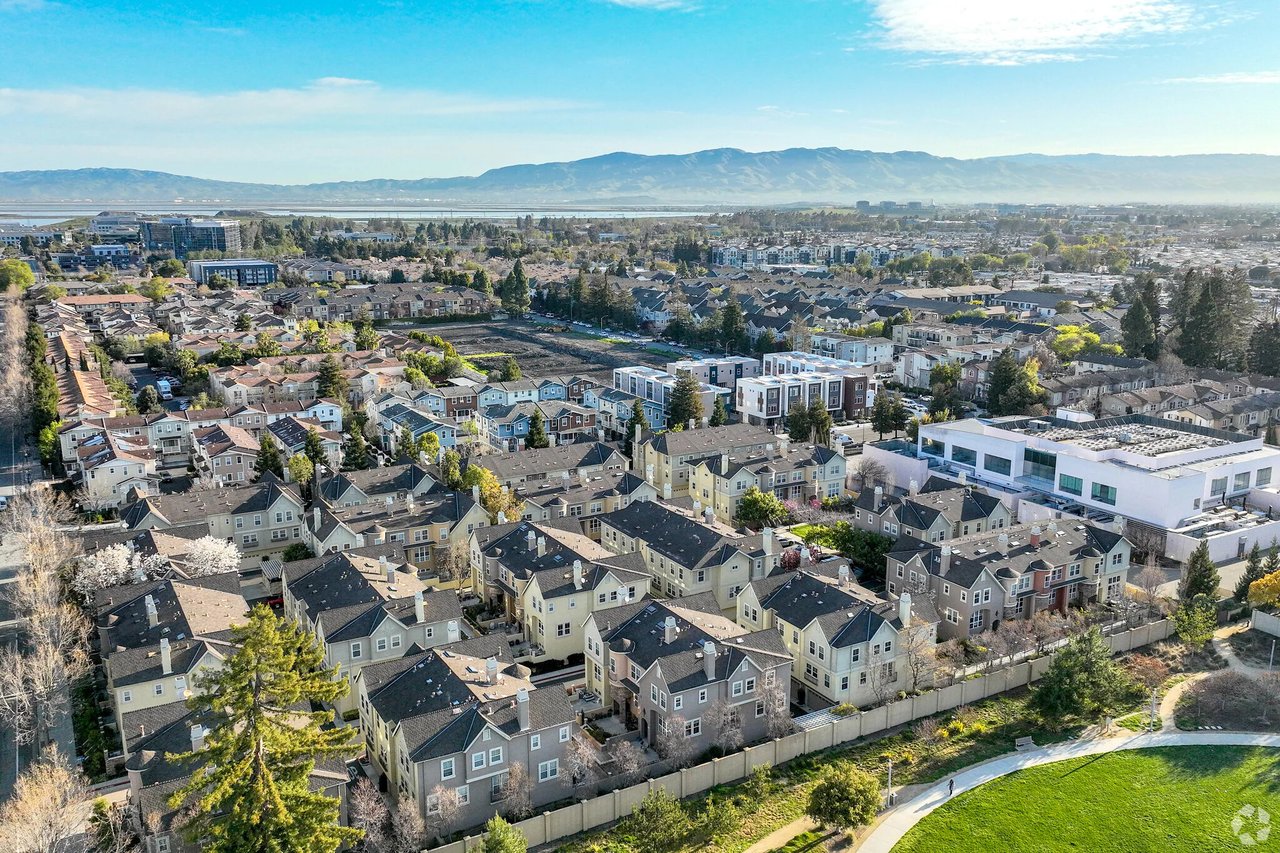
Mountain View offers a mix of options, from mid-century single-story Eichlers in neighborhoods like Monta Loma to newer townhomes and condos near the Transit Center and Shoreline areas. Eichler homes are a recognized part of local history and design; you can read about the city’s background on the Mountain View overview page.
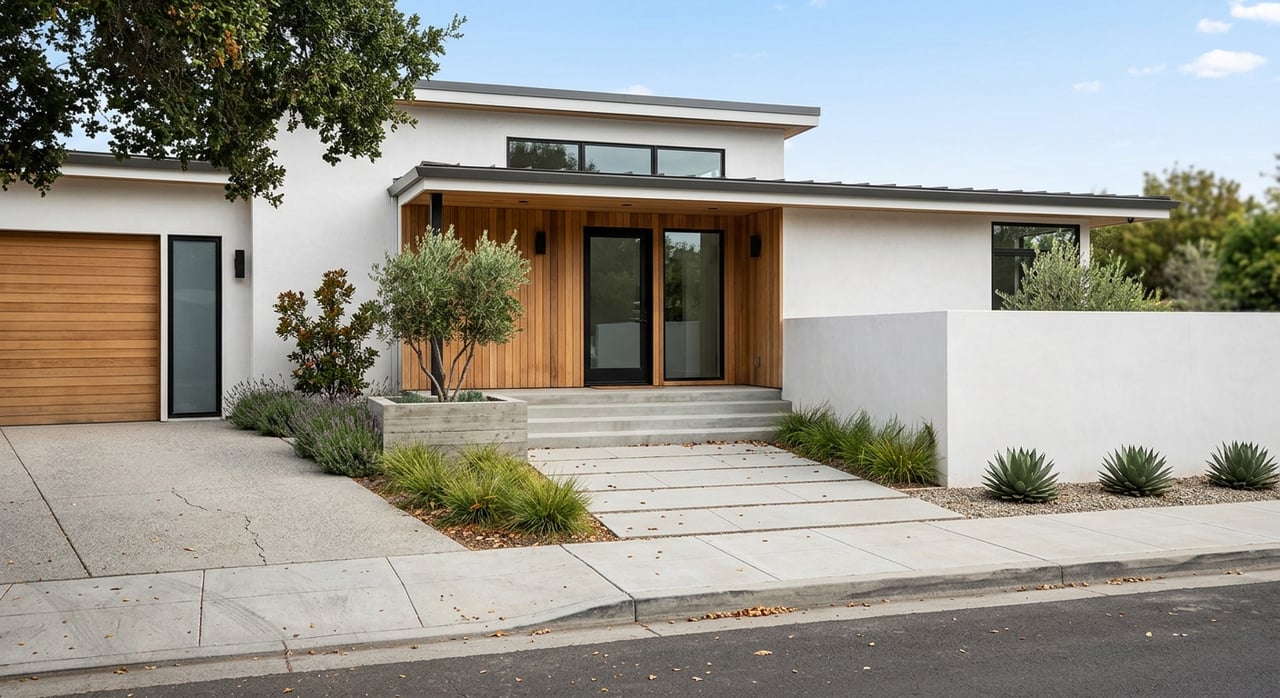
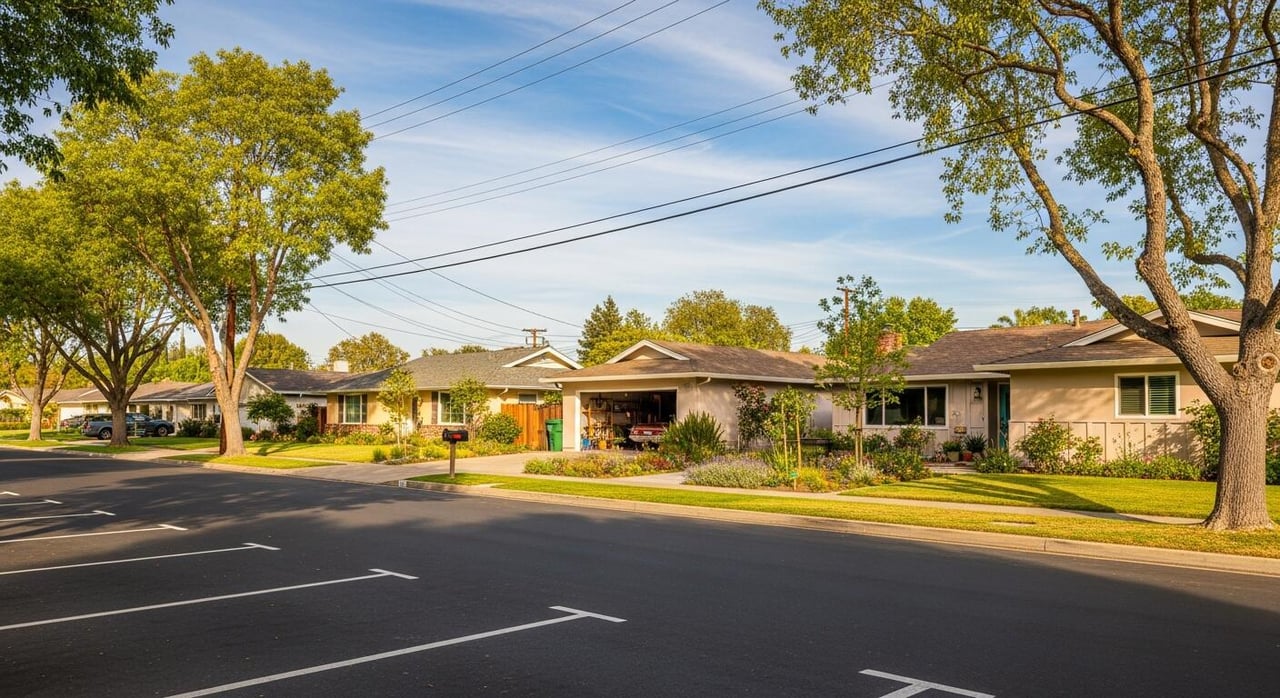
Sunnyvale leans more suburban with larger tracts of single-family homes, plus mid-century ranch and Eichler pockets like Fairbrae and Fairwood. You will also find newer multifamily communities near Lawrence and in north Sunnyvale close to Moffett Park. If you want yard space and a garage while staying near key job centers, many Sunnyvale neighborhoods will check that box.
Market trackers use different methods. Some publish median sold prices, which can change month to month depending on what closed. Others publish modeled indices that smooth volatility. As of late winter 2026, public trackers showed Mountain View’s median sold price near 1.8 million dollars and Sunnyvale’s modeled home value index near 2.07 million dollars. These are directional snapshots that vary by home type and neighborhood.
What matters most to your budget is property type and micro-location. Single-family homes in both cities trade higher than condos and townhomes. Neighborhoods near transit hubs or major employers often command premiums. When you set alerts, filter by property type and focus on recent comparable sales within a half mile for a clearer picture of value on the ground.
Choosing between Sunnyvale and Mountain View comes down to how you want to live day to day. Commute time, walkability, school assignment, and the type of home you prefer will point you in the right direction. With a smart tour plan and clean data, you will narrow your choice quickly and confidently.
If you want a tailored shortlist, neighborhood-level comps, and a tour plan that fits your lifestyle, connect with Milestone Realty. Our boutique team brings deep local insight, curated search tools, and polished negotiation to help you land the right home at the right value.
Stay up to date on the latest real estate trends.
June 11, 2026

June 4, 2026
June 4, 2026
May 28, 2026
May 21, 2026
May 19, 2026
Why Some Homes Sell in 9 Days While Others Sit for 35
May 14, 2026

May 13, 2026

May 13, 2026
You’ve got questions and we can’t wait to answer them.