Buying A Historic Home In San Jose’s Rose Garden
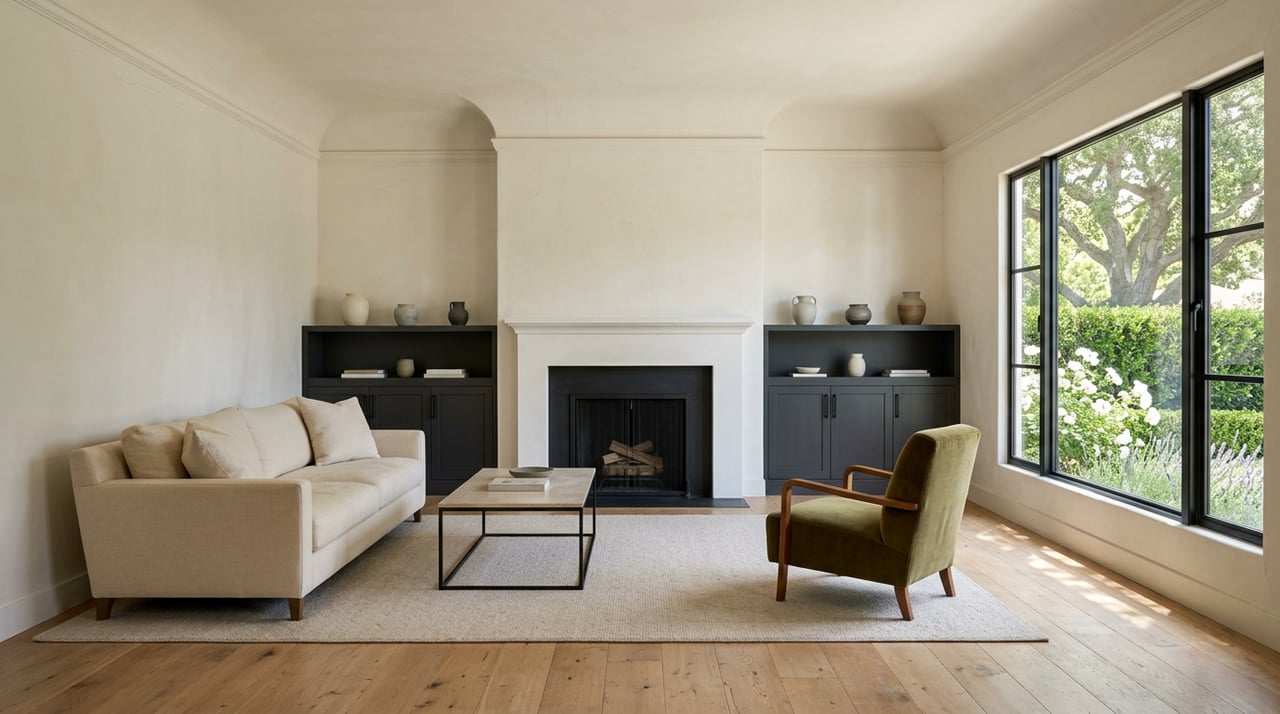
You fell in love with the charm of Rose Garden’s storybook cottages and Craftsman bungalows. Now you want to buy one, but you also want to avoid surprises that can come with a 100-year-old home. You’re in the right place. In this guide, you’ll learn what makes the neighborhood special, what to expect from historic construction, which inspections and permits to prioritize in San José, and how to plan smart upgrades. Let’s dive in.
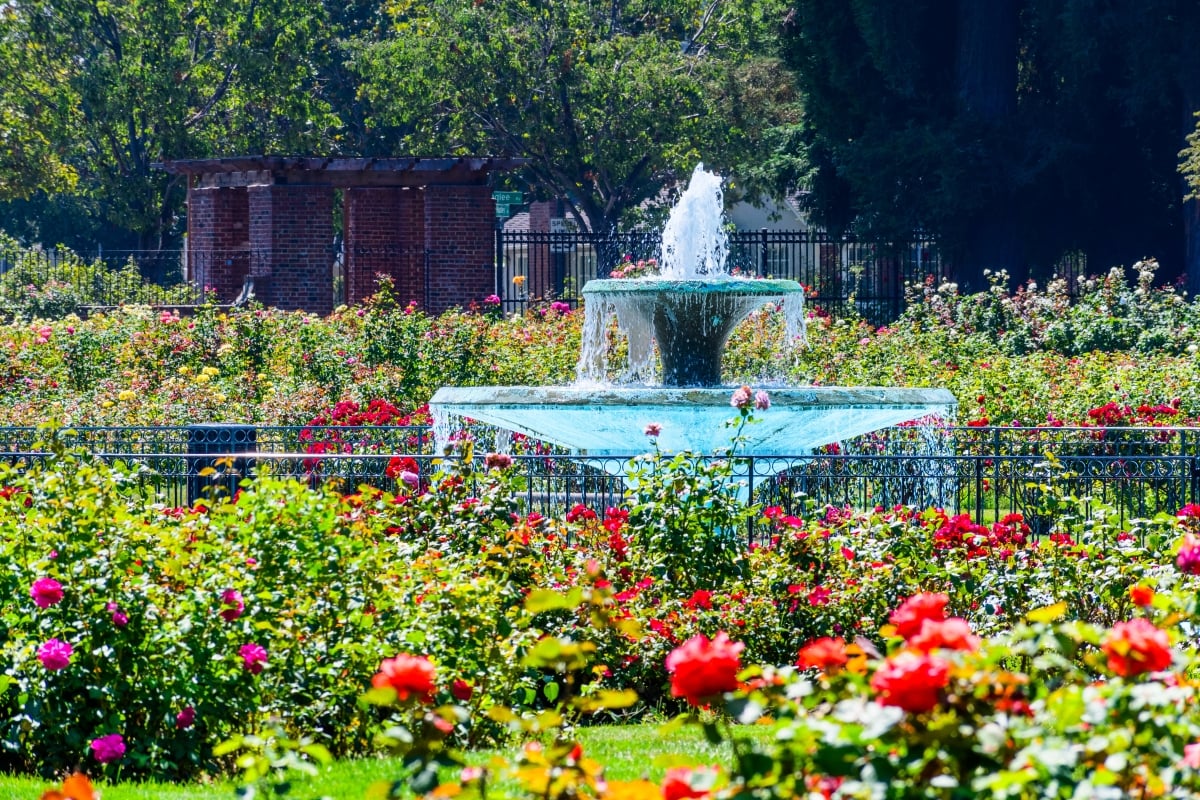
Rose Garden is a cluster of historic neighborhoods in central San José centered on the San José Municipal Rose Garden. Many blocks date to late‑19th and early‑20th century residence‑park subdivisions, so you see tree‑lined streets, mature front yards, and detached rear garages. Lot sizes and setbacks vary by block, which adds to the area’s character.
Parts of the district, including Hanchett and Hester Park, are recognized as Conservation Areas and many individual homes appear on the City’s Historic Resources Inventory. You can review the City’s overview of historic conservation areas and typical eras and styles on the historic areas and districts page.
Most character homes date from the late 1800s through the 1930s, with some later infill. As you tour, you’ll likely see:
Understanding the era helps you anticipate common materials and systems, which drives your inspection plan.
Expect wood‑frame houses on raised pier‑and‑beam or shallow foundations. Many interiors include plaster over lath and original hardwood floors. Exteriors are often wood or stucco, and many older chimneys are unreinforced masonry. Mechanical systems are commonly upgraded over time, so you may see a mix of plumbing types and incremental electrical changes.
Pre‑1980 homes often lack modern bracing and bolting, especially at sill and cripple walls. Retrofitting improves safety and can support insurability. Grants through California’s statewide Earthquake Brace + Bolt program may offset part of the cost for eligible homes.
Wood‑destroying organisms are common in older neighborhoods. California lenders often require a WDO, or “termite,” inspection that documents active infestation, damage, and conducive conditions. You can learn how these reports work from the Structural Pest Control Board.
Older fuse panels and ungrounded outlets still show up in character homes. Some properties may even have active knob‑and‑tube wiring tucked behind walls. These issues can affect insurance and safety, so plan an electrician’s evaluation. For background on typical risks, see this electrical safety overview for inspectors.
If the home predates 1978, assume there is lead‑based paint. Federal law requires lead disclosure for pre‑1978 homes, and contractors must follow EPA RRP lead‑safe work practices if paint is disturbed. Asbestos can also be present in certain pre‑1980 materials. Learn what to expect from the EPA’s RRP guidance for real estate.
In San José, the City maintains public sewer mains, but homeowners are responsible for private sewer laterals. Older laterals may be clay or cast iron and can crack or collapse over time. A sewer‑camera inspection is wise, and the City’s sanitary sewer page lists services and a repair grant program.
Decades of remodels can leave a paper trail that is incomplete. Unpermitted work can affect value, insurance, and financing. You should verify permits and final inspections through the City’s systems and be prepared to legalize work if needed.
Before you write an offer, look up the property on the City’s Historic Resources Inventory. HRI listings include classifications such as City Landmark, Contributing, or Structure of Merit. Classification determines which permits you need for exterior work.
If a home is a City Landmark or lies within a landmark district, exterior changes typically require a Historic Preservation (HP) Permit. Minor exterior items on HRI properties may qualify for an HP Permit Adjustment, while larger changes can trigger a full HP review and public process. The City outlines thresholds and steps on its permits for projects with historic resources page.
Interior repairs usually follow standard building permits unless they affect designated exterior features. If you plan visible changes, involve the City early and design to the Secretary of the Interior’s Standards for Rehabilitation where required.
San José uses Mills Act historic property contracts to reduce property taxes for qualifying City Landmarks in exchange for a commitment to maintain and preserve the property. Contracts are monitored and approved through the City. Review details and obligations on the City’s historic incentives page. If a property already has a Mills Act contract, confirm its status and what transfers at sale.
Federal rehabilitation tax credits apply only to income‑producing certified historic properties, not private single‑family homes. Plan your budget with that in mind.
A thorough pre‑offer or contingency‑period inspection plan helps you buy confidently and budget accurately:
Use this quick list to set your offer up for success:
Historic character often supports long‑term desirability in established neighborhoods. Research across many cities suggests that preservation can stabilize streetscapes and, in some cases, support a price premium, though outcomes vary by market and redevelopment options. A useful overview is the NBER review of historic designation impacts. When you are ready to buy, focus on the home’s condition, permitted improvements, and alignment with your lifestyle and budget.
Buying a historic home should feel exciting, not stressful. With the right inspections, a clear permit path, and a smart offer, you can enjoy Rose Garden’s charm with confidence. If you want a boutique, data‑informed approach to neighborhoods, permits, and negotiation, let’s talk. Connect with Milestone Realty to schedule a consultation.
Stay up to date on the latest real estate trends.
July 23, 2026
July 20, 2026
Low Inventory Is Keeping Sellers in Control
July 16, 2026
July 15, 2026

July 15, 2026
July 9, 2026
July 2, 2026

June 27, 2026
June 25, 2026
You’ve got questions and we can’t wait to answer them.