How To Time And Prep Your San Jose Home For A Strong Sale
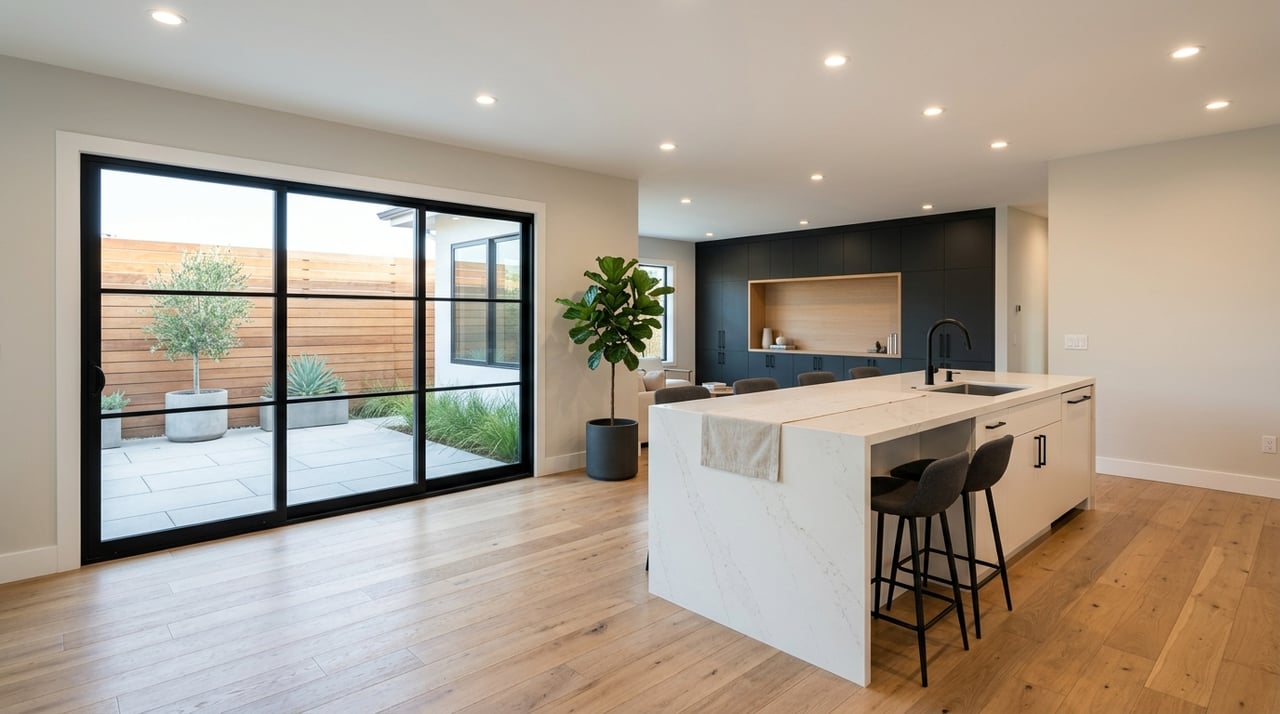
Selling in San Jose can move fast, but a strong sale usually starts well before your home hits the market. If you are hoping to capture serious buyer attention and protect your pricing power, timing and preparation matter just as much as the listing date itself. The good news is that current research points to a clear path: plan early, prep thoroughly, and launch with a polished online presence. Let’s dive in.
If you wait until spring is fully underway to start getting ready, you may already be late. Two major timing models both point San Jose-area sellers toward late winter and early spring as the strongest seasonal window, even though they identify slightly different peak moments.
Zillow’s 2026 city-level analysis says San Jose’s strongest seasonal premium lands in the first half of February, at about 3.1% or $53,800 on a typical home. Realtor.com’s 2026 seasonal model places the best week for the San Jose-Sunnyvale-Santa Clara metro at March 8, 2026, while the San Francisco-Oakland-Fremont metro peaks later, on March 22, 2026.
The exact week depends on the methodology, but the takeaway is consistent. In this region, the best seasonal opportunity often arrives before late spring, which means your prep work should begin months ahead of your target launch.
A rushed listing can leave money on the table. According to Zillow’s selling-timing guidance, many sellers begin thinking about a move three to four months before listing, and that is a smart planning window for San Jose.
That timeline gives you room to make decisions without pressure. You can sort out repairs, decide what improvements are worth doing, schedule staging and photography, and build a launch plan that is ready for the market instead of chasing it.
In a market where homes can go pending quickly, that readiness matters. Zillow notes that U.S. homes are currently going pending in about 15 days, and local San Jose reports show similarly fast conditions.
San Jose is not a market where you want to test an unfinished product. Redfin’s San Jose market page reported a $1.325M median sale price and 12 days on market in February 2026.
The Santa Clara County Association of REALTORS® February 2026 single-family report, as cited in the research, showed San Jose at a $1.66M median and 21 days on market, with homes receiving 105% of list price on average. Santa Clara city posted a $2.065M median, 12 days on market, and 109% of list price received.
That kind of pace rewards homes that look compelling from day one. Buyers are moving quickly, but they are still comparing presentation, condition, and perceived value.
It is tempting to talk about one “Bay Area spring market,” but local conditions vary. Redfin’s February 2026 data showed Berkeley at 15 days on market with a 119.3% sale-to-list ratio, while Oakland was at 20 days with 107.9% sale-to-list.
That difference matters if you are selling in or comparing against the wider Oakland-Hayward-Berkeley area. Even within the Bay Area, buyer pace and competitive pressure can shift from one city to the next, so your listing strategy should be tailored to your local market rather than built around a generic regional calendar.
One of the biggest mistakes sellers make is treating the listing date as the starting line. In reality, the first live week is often the most important stretch of the entire campaign.
The research supports a practical prep order: evaluate repairs first, then declutter and correct visible issues, then stage and photograph once the home is truly launch-ready. That sequence helps you avoid putting a home online before it shows at its best.
You do not always need a major remodel to improve your result. What matters most is removing distractions that make buyers question maintenance, care, or move-in readiness.
According to NAR’s 2025 staging survey coverage, even when full staging is not used, 51% of agents recommend decluttering or correcting faults. That tells you something important: visible issues still matter, even in a strong market.
As you prepare, prioritize items such as:
Zillow’s home-selling guide also reinforces the basics: improve curb appeal, use professional photography, and make sure your home is broadly marketed once it goes live.
In a high-cost market, buyers often make quick emotional judgments. They are not just looking at square footage. They are reacting to flow, light, comfort, and how easy it feels to imagine everyday life in the space.
NAR reports that 29% of sellers’ agents saw staging increase offered dollar value by 1% to 10%, and 49% said staging reduced time on market. Even if you do not fully stage every room, thoughtful presentation can make your home feel more complete, polished, and market-ready.
For many San Jose sellers, the goal is simple: help buyers see the home clearly, without distractions. That can mean edited furnishings, cleaner sight lines, brighter spaces, and a more intentional visual story.
Today, your first showing often happens on a screen. If your listing does not stand out online, some buyers may never schedule an in-person tour.
NAR’s 2025 buyer and seller trends report found that among internet-using buyers, photos were the most useful website feature for 83%. They were followed by detailed property information (79%), floor plans (57%), and virtual tours (41%).
That same pattern supports a presentation-first strategy. Your listing should not rely on a few quick images and a short description. It should give buyers enough visual and practical information to understand the home and feel motivated to take the next step.
A complete launch package helps your home make a stronger first impression. NAR notes that 52% of buyers found the home they purchased online, and nearly half said their search started there.
That means your digital rollout should be treated like a core part of the sales strategy, not an afterthought. Buyers are especially drawn to features connected to daily living and long-term value, including energy-efficient upgrades, flexible office or guest space, smart home features, and usable outdoor areas, according to NAR’s online-visibility article.
A strong listing package may include:
For a marketing-focused team like Milestone Realty, that kind of polished presentation supports the goal of showing buyers not just the address, but the home’s lifestyle and livability as well.
Photos may get the click, but floor plans and tours help buyers understand the home. NAR’s virtual-tour guidance notes that virtual tours help buyers see how rooms connect and how the layout works, and that floor plans are the most requested visual asset after listing photos.
That is especially useful when buyers are comparing multiple homes quickly. A clear sense of layout can help your property feel easier to evaluate and easier to remember.
Zillow also notes that 3D Home tours and interactive floor plans can be published to the listing and shared across social media, the MLS, and the seller’s website, with syndication to major real estate sites. In other words, these assets can extend the reach and usefulness of your launch.
When your home goes live, the market is paying the most attention it may ever pay. That is why the launch sequence matters so much.
The research points to a simple approach: decide timing months ahead, complete repairs and presentation work before photography, and then launch with a full digital package so the first live week gets maximum visibility. If your listing goes online before it is fully ready, you may lose momentum that is hard to rebuild.
Immersive media can also amplify exposure. Zillow reports that Showcase listings generate significantly more page views, saves, and shares than similar non-Showcase listings nearby, reinforcing the broader point that richer media and stronger presentation can increase buyer engagement.
If you want a practical framework, here is a research-backed way to think about your timeline:
If you are hoping to sell in San Jose, early planning can help you hit the strongest part of the seasonal window with a home that looks polished, complete, and easy for buyers to say yes to.
If you want tailored guidance on timing, prep, staging, and marketing for your specific property, Milestone Realty can help you build a strategy that fits your home, your neighborhood, and your goals.
Stay up to date on the latest real estate trends.
August 21, 2026
August 20, 2026
August 18, 2026

August 17, 2026
August 13, 2026
August 6, 2026

August 6, 2026
July 23, 2026
July 20, 2026
Low Inventory Is Keeping Sellers in Control
You’ve got questions and we can’t wait to answer them.