Rose Garden San Jose Walking Tours and the New Map
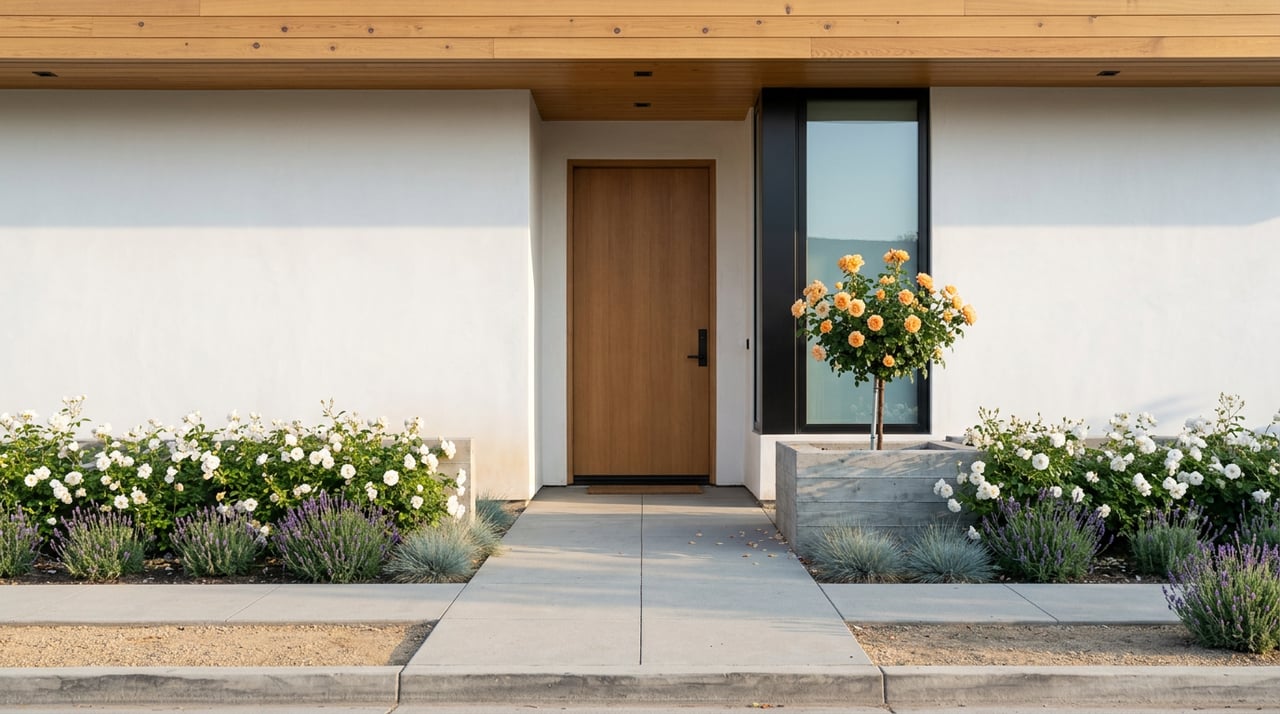
According to SJSU Newsroom, on Mother's Day this year, a woman walked through the San José Municipal Rose Garden with her mom and saw an opportunity to help visitors explore its rose varieties. There are 156 beds in that garden. So Kylee Kiesow, a San José State graduate who grew up going to parks in Willow Glen, pulled out a notebook and started writing down every variety she could find.
That decision turned into a project that finished this summer, and it changes something basic about how people in the Rose Garden neighborhood can experience the park their neighborhood is named after. For 89 years, the garden has been famous. The new project makes its collection easier to explore.
The numbers on their own explain why nobody had tried this before. The city set aside 5.5 acres at Naglee and Dana in November 1927, broke ground in 1931, and dedicated the finished garden in 1937 on a plot that used to be a prune orchard, according to the City of San José's own parks page. Today it holds more than 4,000 rose shrubs across 189 varieties, enough that the All-America Rose Selections organization named it America's Best Rose Garden in a national competition. It is also, per the same city page, one of only a handful of test gardens in the country where new rose varieties are grown before they're released to the public.
That is a rare civic asset in the middle of a residential neighborhood. Visitors can see hundreds of tags with cultivar names in small print, and the new map adds stories about individual varieties and context for exploring the garden.
Kiesow didn't stop at a notebook. Over roughly 60 hours that spring, she photographed all 156 rose beds, researched the history behind individual varieties, and built nine separate walking tours, along with curated rose profiles and a scavenger hunt designed for families, according to SJSU's own newsroom account of the project. The tool soft-launched on June 20, 2026, at Opera San José's Three Tenors tribute concert, a free outdoor performance held at the garden itself as part of the city's SJ26 FIFA World Cup arts programming and presented in partnership with the Applied Materials Foundation, as detailed on Opera San José's event page. It is now live permanently on the city's website, which means anyone standing in the garden can pull it up on a phone and know, instantly, what they're looking at.
SJSU Newsroom quotes Kiesow describing the project: "I already had a connection, but now I know every single rose."
Here is what that connection actually looks like in practice. Somewhere in those 156 beds grows a hybrid tea rose called Peace, a cream-yellow bloom edged in pink that has a more complicated history than almost anything else growing in San José. It was bred in the 1930s by French rosarian Francis Meilland, who saved cuttings of the variety before France fell to Germany in World War II. Those cuttings were smuggled out of Paris in a diplomatic pouch in 1940 and eventually reached the United States, where the rose was formally renamed Peace at the Pacific Rose Society on April 29, 1945, the same day Berlin fell. Weeks later, every delegate to the United Nations' founding conference in San Francisco found a bloom of it waiting in their hotel room, per the account in SJSU's newsroom piece.
That rose has presumably been growing in the Rose Garden for years. Visitors walking the garden's paths can now use the map to learn the rose's history. The map didn't plant a new flower. It attached a story to one that was already there, which is the entire premise of the project and the reason it matters more than a typical park amenity announcement.
The deeper you look, the more this pattern repeats across the whole neighborhood, not just inside the garden's fence line. The Municipal Rose Garden wasn't the beginning of San José's rose obsession. It was the second act. The first Carnival of Roses ran for four days in 1896, crowning 23-year-old Lillian Rea as the city's first Rose Queen, decades before anyone broke ground on Naglee and Dana. When President McKinley visited in 1901, the city marked the occasion with a rose-covered parade down The Alameda. That tradition became the Fiesta de las Rosas in 1926, five years before the garden's groundbreaking, as recounted in sf.funcheap's history of the celebration.
The modern descendant of that lineage still runs through the same streets every July 4th. The Rose, White & Blue Parade starts near Lincoln High School and winds through the Shasta/Hanchett and Rose Garden neighborhoods along the exact Dana-to-Naglee-to-Alameda route the 1901 parade used, ending in a festival at the corner of Shasta Avenue and The Alameda. The garden gets the name recognition, but the neighborhood around it has been organizing its calendar around roses for well over a century.
That same footprint carries the neighborhood's weekly rhythm too. The Rose Garden Certified Farmers Market sets up every Saturday at 577 Dana Ave, right at the edge of Shasta Hanchett Park, a few blocks from where the parade festival lands each July, according to the market's own listing with the West Coast Farmers Markets Association. Residents who turn a market run into a longer morning don't have far to go for it. The Alameda corridor a short walk away holds Luna Mexican Kitchen, which carries a Michelin Bib Gourmand, along with Zona Rosa and Floodcraft Brewing Company, all listed on Visit San José's neighborhood guide to The Alameda.
A few practical notes if you're planning to actually use the new tool this month:
None of this required a single new plant. The garden had already been growing all 156 of these stories for years, some of them for decades. What changed this summer is that a resident created a way to make that depth visible to everyone else who lives here. That is worth noticing on its own terms, separate from anything about real estate or property values. A neighborhood with parades, markets, and Saturday mornings woven into its routine has plenty going on beneath the surface; the map makes one part of that story easier to explore.
If you already call the Rose Garden home, the map is a good excuse to walk a path you've taken a hundred times and actually read it this time. If you're the kind of person who wants a running education in what makes a neighborhood tick before you ever consider living there, that's a different conversation, and it's one our team at Milestone Realty has been having with San José families for years. Reach out any time you want a local's read on this part of town, roses included.
Stay up to date on the latest real estate trends.
October 15, 2026
October 8, 2026
October 1, 2026

September 24, 2026
September 22, 2026
September 22, 2026
A More Selective Market
September 17, 2026
September 15, 2026
September 10, 2026
You’ve got questions and we can’t wait to answer them.