Buying A Home In Mountain View’s Established Neighborhoods
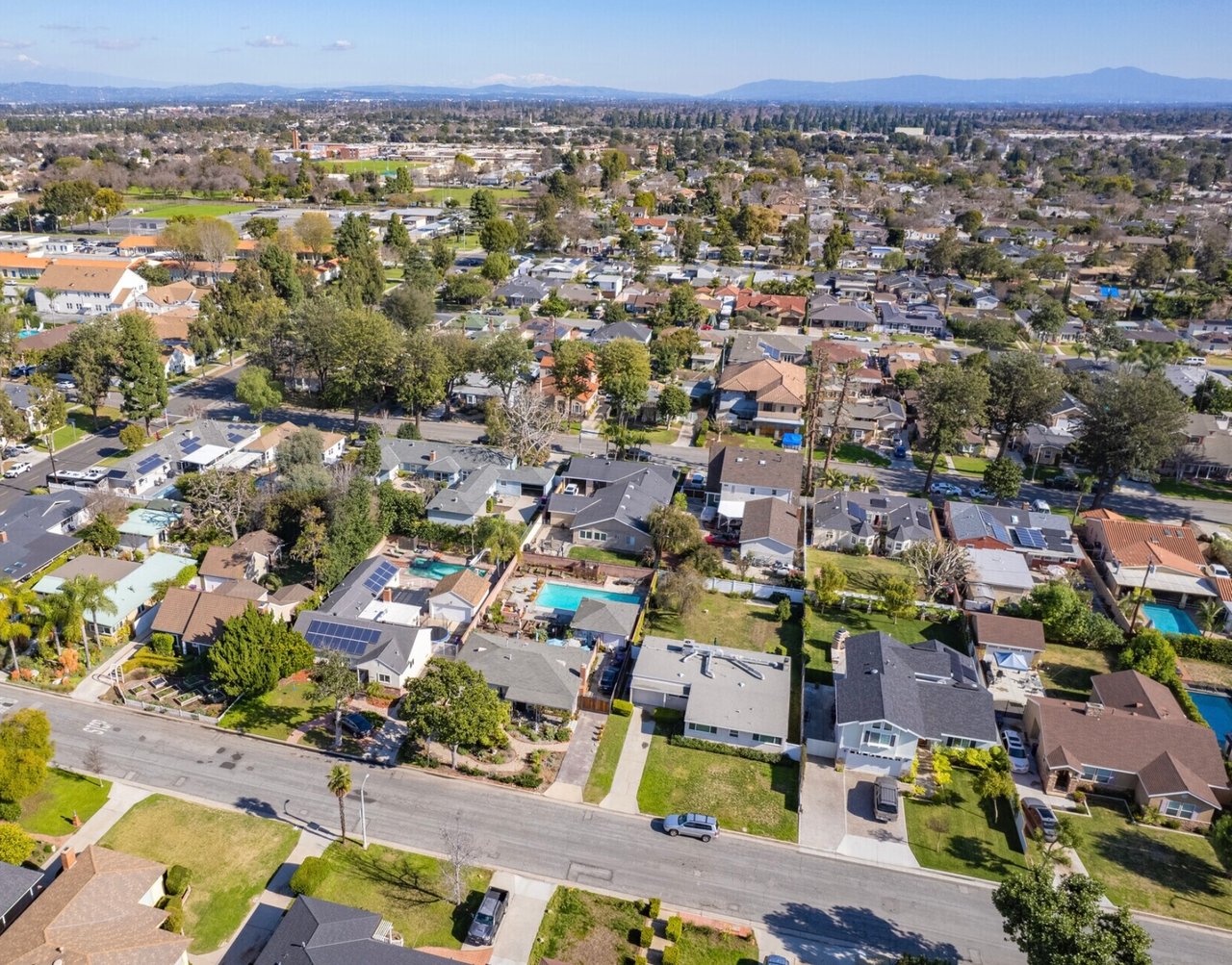
If you are thinking about buying in one of Santa Barbara’s established coastal neighborhoods, Mountain View Road can feel both exciting and hard to decode. You may see older homes, varied lot sizes, view properties, and fast-moving listings all on the same street or within a few blocks. This guide will help you understand what to expect when buying near Mountain View Road on the Mesa, from housing stock and pricing to livability and due diligence. Let’s dive in.
Mountain View Road sits within the Mesa reference market, which the City of Santa Barbara describes as part of the coastal area between Arroyo Burro and Santa Barbara City College, south of Cliff Drive. The Mesa is divided into East Mesa and West Mesa, and both areas are largely built out rather than shaped by large new subdivisions.
That established feel comes from the underlying development pattern. Much of the area remains in a roughly 5 dwelling units per acre pattern, with single-family homes making up most of the neighborhood fabric. East Mesa includes some multifamily pockets near Oceano and Barranca, while West Mesa is mostly single-family with some duplex and condo development near the commercial core at Cliff and Meigs.
For you as a buyer, that means the neighborhood tends to read as mature and consistent, but not cookie-cutter. Streetscapes often reflect decades of gradual change instead of one single era of development.
One of the biggest surprises for buyers is how much lot sizes can vary. On Mountain View Road, examples range from about 8,712 square feet to 0.69 acres, with other recent examples at 0.22 acres, 0.29 acres, 0.38 acres, 0.40 acres, and 0.62 acres.
That mix can shape both lifestyle and value. Some properties feel like classic postwar lots with efficient yards and straightforward upkeep, while others offer larger footprints, more privacy, or stronger view orientation.
If you are comparing homes, avoid assuming that one block tells the whole story. On a street like Mountain View Road, the lot itself can be a major part of the buying decision.
Architecturally, this is not a one-style neighborhood. Recent examples on Mountain View Road include a 1957 mid-century modern home, a 1966 mid-century modern single-level view home, and a classic Santa Barbara Mediterranean home.
The broader city style framework also reflects a wide design range, including Mission, Spanish Colonial Revival, Craftsman, Bungalow, Victorian, and Modern influences. In practical terms, you may see original postwar homes next to thoughtful remodels, infill updates, or rebuilt residences designed to fit the surrounding context.
That variety can be a real advantage if you want options. You are not limited to one visual identity, and you may find homes that match very different priorities, from architectural character to turnkey convenience.
Recent Mesa market data show that detached-home buyers should be prepared for competition. Over the three months ending May 2026, the Mesa posted a median sale price of $2.07 million, 32 days on market, a Redfin Compete Score of 74, and a 98.2% sale-to-list ratio.
The same data show that 28.1% of homes sold above list price, while 24.2% had price drops. That combination tells you something important: the market is competitive, but not every listing follows the same script.
East Mesa showed a higher median sale price of $3.15 million over the same recent period and was labeled somewhat competitive. West Mesa showed a $2.01 million median and was labeled most competitive, with many homes getting multiple offers and hot homes selling in around 8 days.
That said, West Mesa’s median should be viewed carefully because only four homes sold there in May. When inventory is limited, one or two sales can shift neighborhood-level numbers more than buyers expect.
For you, the key takeaway is simple: strategy matters. In an established neighborhood with limited supply, pricing, condition, lot quality, and location within the Mesa can all influence how quickly a home moves.
Milestone Realty’s perspective is that buying a home is also about location, lifestyle, and livability. Mountain View Road buyers are often drawn not just to the homes, but to how the Mesa lives day to day.
The Mesa’s lifestyle appeal is strongly tied to its coastal setting and public open space. Shoreline Park is a 14.67-acre park overlooking the beach and harbor, with walking paths, a playground, beach access, and a stairway to the beach.
You also have Leadbetter Beach between the harbor and Shoreline Park across from Santa Barbara City College, Mesa Lane Steps for beach access from the cliffs, and La Mesa Park just above Shoreline Drive. If outdoor access matters to your daily routine, these amenities are a meaningful part of the neighborhood experience.
Cliff Drive is one of the Mesa’s main corridors, and it plays a major role in daily movement through the area. The City of Santa Barbara identifies it as the city’s second-highest priority corridor under Vision Zero, and the corridor has received $27 million in Active Transportation Program funding for final design and construction.
Public transit also supports connectivity. Santa Barbara MTD Line 4 and Line 5 run through the Mesa along Cliff Drive and Meigs Road, linking the neighborhood to downtown, Santa Barbara City College, Arroyo Burro, and La Cumbre.
For buyers, this means livability should be evaluated at the property level. A home’s proximity to Cliff Drive, parks, coastal access, and transit routes can shape how it feels to live there over time.
Much of the Mesa’s detached housing dates to the postwar era. City history notes tract-house development on the Mesa during the postwar construction boom, and current Mountain View Road examples include homes built in 1957, 1966, and 1979.
That age is not a drawback by itself, but it does mean due diligence matters. Older homes can offer charm, established settings, and appealing locations, yet they may also come with deferred maintenance, earlier construction methods, or changes made over time.
Santa Barbara is largely built out, so newer activity is typically infill, remodels, or rebuilds on existing lots rather than large-scale new development. The city also regulates redevelopment more closely than many suburban markets, especially in the Coastal Zone.
As you evaluate a property, pay close attention to:
The city notes that redevelopment can expand building footprints and reduce permeable surfaces, which can trigger storm-water review. Development in the Coastal Zone must comply with the Local Coastal Program, and single-family proposals are reviewed by the Single Family Design Board.
The city also identifies local exposure to wildfires, inland and coastal flooding, erosion, and drought. For you, that means a beautiful lot should be evaluated not just for views and layout, but also for practical resilience and permitting history.
In an established neighborhood like this, the best buying decisions usually come from balancing emotion with property-level analysis. A home may win you over with its setting, style, or view, but the details behind the scenes still matter.
A strong approach often includes:
This is where neighborhood knowledge becomes especially useful. Two homes with similar square footage can offer very different value if one has a better lot, easier access, more thoughtful updates, or fewer improvement constraints.
Buying in Mountain View Road’s established setting is often about buying into a mature piece of the Mesa rather than chasing brand-new construction. You are likely looking at a neighborhood shaped by postwar roots, varied architecture, limited new supply, and strong lifestyle appeal tied to the coast.
That combination can make the search more nuanced, but also more rewarding. If you understand the market, the housing stock, and the local review environment, you can buy with more confidence and fewer surprises.
If you are exploring homes on the Mesa and want a clearer read on value, competition, and livability, Milestone Realty can help you navigate the details and build a smart buying strategy.
Stay up to date on the latest real estate trends.

October 21, 2026
October 15, 2026
October 8, 2026

October 1, 2026

September 24, 2026
September 22, 2026
September 22, 2026
A More Selective Market
September 17, 2026

September 15, 2026
You’ve got questions and we can’t wait to answer them.