Selling A Historic Home In San Jose’s Rose Garden
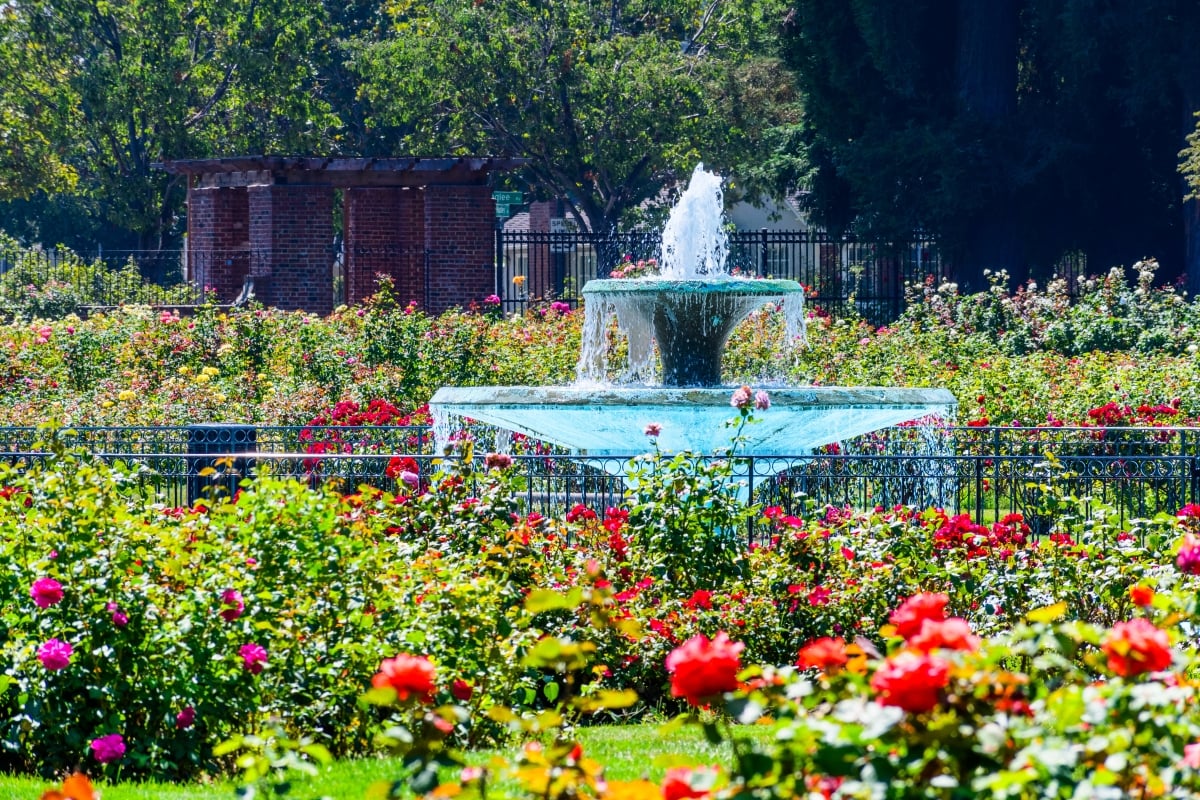
If you own a historic or older home in San Jose’s Rose Garden, you already know it is not a typical sale. Buyers often fall in love with the charm, scale, and architectural details, but they also look closely at condition, permits, and long-term upkeep. When you prepare the right way, you can present your home as both beautiful and well cared for. Let’s dive in.
Rose Garden has a housing mix that feels different from many other San Jose neighborhoods. According to SPUR’s neighborhood analysis, 412 of 1,586 homes in the area were built before 1939, and about two-thirds were built before 1960. That means many sellers are bringing older homes to market, even when those homes are not formally designated as historic resources.
The neighborhood also carries a strong sense of place. Its identity is closely tied to the San Jose Municipal Rose Garden, a 5.5-acre city garden with more than 4,000 rose shrubs and 189 varieties that city materials describe as a city historic landmark. For buyers, that setting adds context and appeal that goes beyond square footage.
Rose Garden inventory can also vary more than people expect. City historic research points to early twentieth-century homes in the broader west-central area, with styles such as Queen Anne, Craftsman, Prairie, and Spanish Mission Colonial Revival, while also noting the Rose Garden Addition as a 1954 subdivision-tour development. In practical terms, your competition may include both prewar character homes and mid-century properties.
Before you list, it helps to understand how your home is classified. A Rose Garden home may be simply older, listed in the Historic Resources Inventory, designated as a City Landmark, or located within a district or conservation area. That distinction can affect how buyers view future changes and how you explain the property.
In San Jose, historic district designation is overlaid on zoning. It does not change land use or prevent changes, but exterior alterations are reviewed for compatibility. If your home is listed in the Historic Resources Inventory, most exterior work on a single-family house uses a Single-Family House Permit, while demolition or new construction can involve a public-hearing process.
If your property is a designated City Landmark, it may also have a Mills Act historical property contract. The city notes that this type of contract may reduce property tax in exchange for preservation, restoration, and rehabilitation. If that applies to your home, it should be explained clearly and early so buyers understand both the benefit and the responsibilities.
When selling an older Rose Garden home, your goal is not to make it look generic. San Jose’s Your Old House guidelines encourage owners to rehabilitate older and historic exteriors in ways that preserve the character of both the house and the neighborhood. For sellers, that means original details are often an asset, not a liability.
The city specifically calls out changes to doors, windows, and trim, and historic-resource reviews are measured against the Secretary of the Interior’s Standards for Rehabilitation. The practical lesson is simple: repair and retain original character-defining features whenever possible. If something must be replaced, choose a compatible option rather than a one-size-fits-all update.
Buyers in Rose Garden often respond to the details they cannot easily recreate after closing. That may include original millwork, porch character, mature landscaping, and room proportions that reflect the home’s era. Those features support the story of the property and help your home stand apart from newer listings.
Older homes usually generate more buyer questions during inspections. In Rose Garden, those questions often center on seismic safety, pests, and the age of major systems. If you prepare before the home hits the market, you can reduce surprises and keep negotiations on steadier ground.
For pre-1960 light-frame dwellings, California’s homeowner earthquake-safety guidance highlights items sellers must disclose if known. These can include missing foundation anchor bolts, unbraced cripple walls, unreinforced masonry, rooms above garages, and unsecured water heaters. Even if a buyer loves the architectural character, they still want clarity about structural concerns.
Pest issues can also create friction if handled too late. A structural pest inspection is not required by law, but if the contract or lender requires one, the seller must deliver the registered pest company’s report and certification before closing. Ordering this information early can help you decide whether to repair, credit, or price with the condition in mind.
Disclosures matter in every sale, but they are especially important with older homes. Federal lead-based paint rules apply to housing built before 1978, which means sellers must disclose known lead-based paint or hazards, provide the EPA pamphlet, and offer the buyer an inspection opportunity. Many Rose Garden homes fall within that age range.
California’s transfer-disclosure framework also expects sellers to disclose environmental hazards they actually know about. The state guidance includes examples such as asbestos, radon, lead-based paint, fuel or chemical storage tanks, and contaminated soil or water. Buyers do not expect perfection in an older home, but they do expect transparency.
A smart pre-listing step is to gather your paperwork before you go live. Pull together permits, contractor invoices, and any prior inspection or repair reports you have. For many buyers, especially those drawn to older homes, documentation helps show that the home was cared for thoughtfully and not just cosmetically updated.
With a historic or character home, marketing should do more than list beds, baths, and square footage. The strongest positioning often comes from telling the stewardship story of the property. Buyers want to understand not just what the home looks like today, but how it has been maintained over time.
The most effective themes are usually the ones buyers cannot duplicate with a quick remodel. Original millwork, period proportions, porch details, mature landscaping, and era-appropriate improvements all support value. In a neighborhood like Rose Garden, those details connect your listing to the broader character of the area.
If the property has a Mills Act contract, landmark designation, or restricted exterior elements, explain that in plain language rather than burying it in a disclosure packet. Clear communication helps buyers feel informed rather than surprised. It also helps attract the right buyer from the start.
A special home deserves marketing that feels equally thoughtful. For Rose Garden sellers, that often means professional photography, floor plans, and a concise feature sheet that connects the home’s architectural era to the updates that have been made. That kind of presentation helps buyers quickly understand what makes the property distinctive.
This is also where polished listing strategy matters. A home with original character should look livable, well maintained, and historically respectful at the same time. The right staging, visual storytelling, and property marketing can help buyers see both the emotional appeal and the practical value.
At Milestone Realty, this is where local knowledge and high-quality marketing work together. A Rose Garden home often needs more nuance than a standard listing, and the presentation should reflect that.
Historic and older homes rarely fit into a simple pricing formula. Two homes on similar lots can command very different reactions depending on condition, documentation, originality, and the quality of prior improvements. In Rose Garden, pricing should account for both the neighborhood’s appeal and the realities of an older structure.
Your pricing strategy should also reflect how buyers weigh charm against future work. A beautifully preserved home with compatible updates and strong records may appeal very differently than a home with deferred maintenance or unclear permit history. That does not mean one approach is always better, but it does mean your asking price should align with the full story buyers will uncover.
This is one reason seller preparation matters so much. When pricing, presentation, and disclosures all support each other, buyers are more likely to see the home as a rare opportunity rather than a project with unanswered questions.
Selling a historic or older home in Rose Garden is about balancing beauty, facts, and buyer trust. You want to protect the character that makes the home special while making it easy for buyers to understand condition, improvements, and any historic considerations. When you do that well, your home can stand out for all the right reasons.
If you are thinking about selling and want a strategy tailored to your home’s architecture, condition, and market position, Milestone Realty can help with valuation, preparation, and polished marketing designed for San Jose’s most distinctive neighborhoods.
Stay up to date on the latest real estate trends.

August 21, 2026
August 20, 2026
August 18, 2026
August 17, 2026
August 13, 2026
August 6, 2026
August 6, 2026
July 23, 2026
July 20, 2026
Low Inventory Is Keeping Sellers in Control
You’ve got questions and we can’t wait to answer them.