Preparing Your Home for Fire Season: Practical Steps California Homeowners Should Know
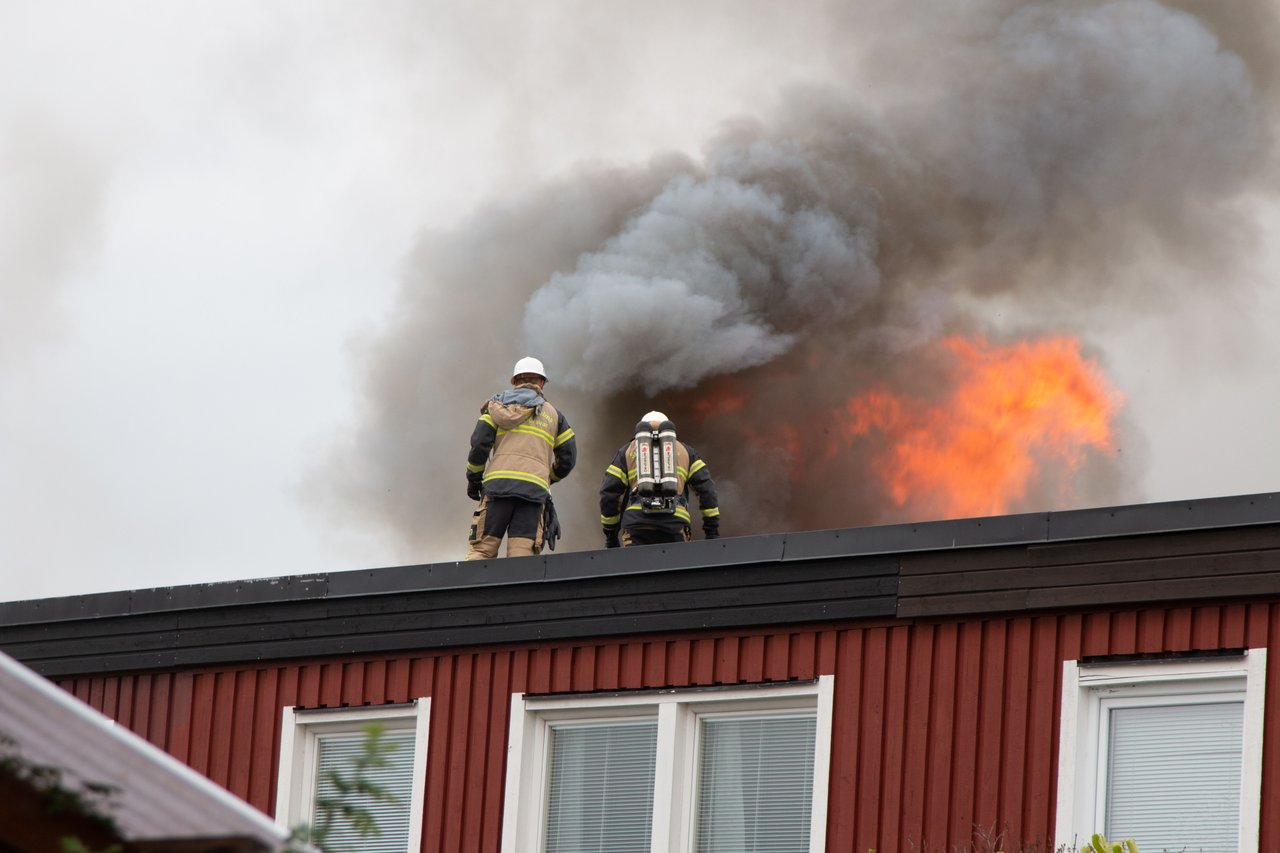
Wildfire season is a reality for many California homeowners. Even if your home is not directly surrounded by open space or forested land, wind, heat, dry vegetation, and flying embers can create serious risk.
The good news is that preparation does not always require a major renovation. Many of the most important steps are simple, practical, and focused on reducing what can ignite around your home.
Here are key areas homeowners should review before fire season is in full swing.
Your roof is one of the most vulnerable parts of your home during a wildfire. Burning embers can travel long distances and land on roofs, in gutters, or near vents.
If your home has a wood or shingle roof, it may be at higher risk. Fire-retardant roofing materials can help reduce vulnerability, but even with a safer roof type, regular maintenance matters.
Homeowners should remove dead branches hanging over the roof, clean out gutters, and make sure the chimney is covered with a non-combustible screen. Tree branches should also be kept at least 10 feet away from the chimney and other trees.
Windows are another important part of wildfire preparation. Heat from a wildfire can break windows before the home itself ignites. Once glass breaks, embers can enter the home and start fires inside.
Single-pane windows and large windows can be especially vulnerable. If you are planning upgrades, dual-pane windows with at least one pane of tempered glass may help reduce the chance of breakage during a fire.
During an emergency, access matters. Driveways and roads should allow emergency vehicles to reach the home safely.
Trim trees, shrubs, and overhanging branches near the driveway or road. Make sure there is enough clearance for vehicles to pass through.
Your house number should also be clearly visible from the street. In an emergency, first responders should not have to search for the right address.
This is one of the simplest updates a homeowner can make, but it is easy to overlook.
The garage is often where homeowners store tools, paint, fuel, cleaners, and other flammable materials.
Before fire season, review what is stored inside. Combustible and flammable liquids should be kept away from ignition sources and stored properly.
It is also smart to have basic fire tools accessible, such as a fire extinguisher, shovel, rake, bucket, and hoe. The goal is not to replace emergency responders, but to be better prepared if small issues need immediate attention.
The area surrounding your home plays a major role in fire safety.
Homeowners can create fire-safe zones by using features such as patios, stone walls, decks, roadways, rock, mulch, flowerbeds, and garden areas as firebreaks. Bare areas can also be covered with thoughtful ground cover to help reduce fire risk.
The goal is to limit the amount of combustible material close to the house and create separation between vegetation and structures.
Fire preparation is part of responsible homeownership in California. It is not just about checking a seasonal maintenance box. It is about protecting your home, your family, and your surrounding community.
For homeowners thinking about remodeling, landscaping, or buying in a higher fire-risk area, these details are worth considering early. A beautiful property also needs to be practical, accessible, and prepared for the realities of our climate.
Small steps taken before fire season can help reduce risk later.
Wildfire preparation does not have to feel overwhelming. Start with the basics: clear the roofline, trim branches, review the garage, improve visibility from the street, and create safer space around the home.
A well-prepared home is about more than curb appeal. It is about livability, safety, and peace of mind.
Source: San Francisco Chronicle, California Wildfires
Stay up to date on the latest real estate trends.

July 16, 2026

July 15, 2026

July 15, 2026
July 9, 2026

July 2, 2026
June 27, 2026

June 25, 2026
June 18, 2026

June 17, 2026
You’ve got questions and we can’t wait to answer them.