Life In Lakewood Village Sunnyvale: Comfort And Convenience
Looking for a Sunnyvale neighborhood that makes daily life feel easier? Lakewood Village stands out for a simple reason: it blends an established residential setting with the kind of practical convenience many buyers want in Silicon Valley. If you are weighing a move to north Sunnyvale or trying to understand what this area feels like day to day, this guide will walk you through the homes, parks, shopping, and commute access that shape life here. Let’s dive in.
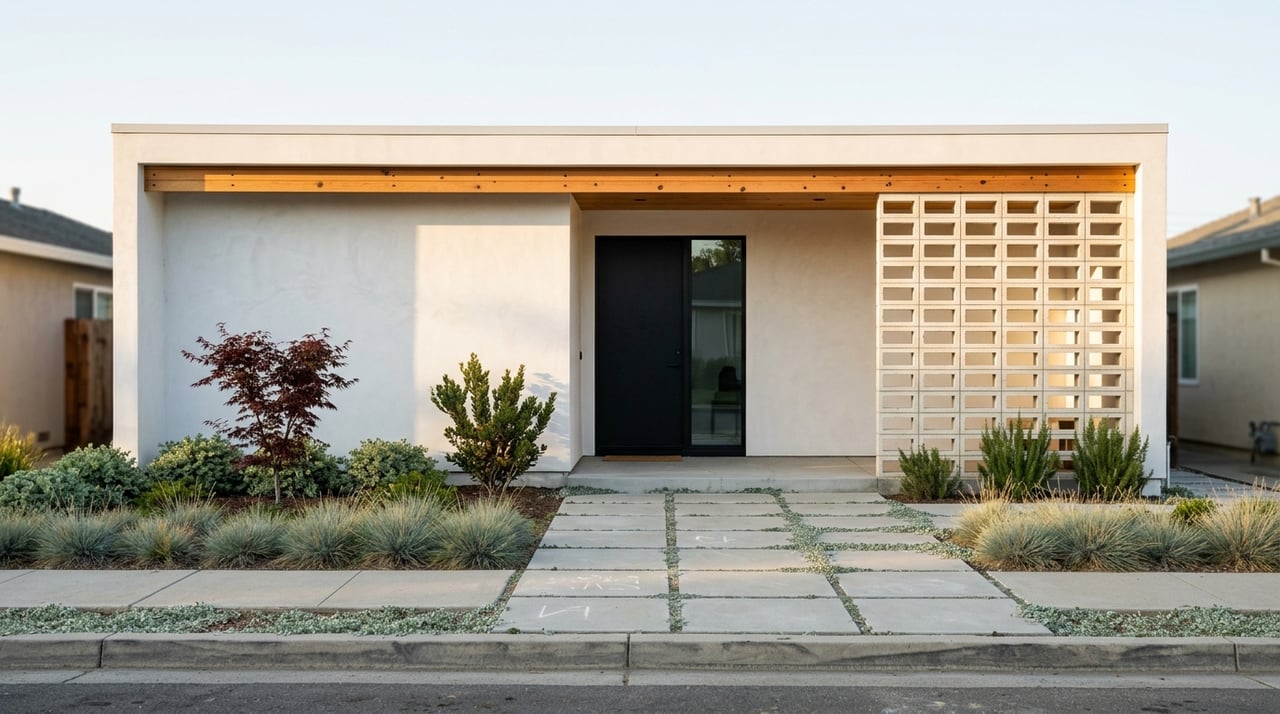
Lakewood Village is an established neighborhood in north Sunnyvale with a mature, lived-in feel. The housing stock is made up primarily of single-family homes, and many residences were built between 1940 and 1969. That gives the area a mid-century character that feels different from newer, more recently built pockets of Silicon Valley.
For many buyers, that older housing profile is part of the appeal. You get a neighborhood that feels rooted, practical, and connected to the larger Sunnyvale lifestyle. In a city known as the heart of Silicon Valley, with 27 parks and more than 8,000 local businesses, Lakewood Village offers a more approachable neighborhood-scale experience within a high-cost market overall.
If you picture tree-lined streets and established single-family homes, you are on the right track. Lakewood Village is best known for homes that reflect its postwar and mid-century growth period. Rather than feeling brand new or master planned, the area reads as mature and familiar.
That can matter if you are relocating and trying to find a neighborhood with a sense of place. Older homes often bring a different streetscape rhythm, with long-standing residential blocks and a more settled atmosphere. In Lakewood Village, that character pairs with access to retail, parks, and commuter routes, which is a big part of its everyday appeal.
One of the biggest lifestyle anchors in the neighborhood is Lakewood Park. Located at 834 Lakechime Drive, this 10.7-acre city park includes a basketball court, two reservable ballfields, horseshoe pits, skateboard ramps, two playgrounds, two tennis courts, two handball or racquetball courts, a water play area, restrooms, and access to the John W. Christian Greenbelt pathway.
The park is open daily from 6 a.m. to 9 p.m., and the basketball and tennis court lights stay on until 10 p.m. That makes it a flexible option whether you want a morning walk, an afternoon outing, or evening recreation close to home. It is the kind of amenity that helps support an active routine without needing to leave the neighborhood.
As of June 2026, Lakewood Park is also undergoing renovation. The city says construction began in April 2026 and is expected to finish by mid-2027, with upgrades that include new turf, all-inclusive playground equipment, and a new dog park. For buyers thinking long term, that points to continued public investment in the area.
Baylands Park adds another layer to the outdoor lifestyle. The city describes it as more than 70 acres of developed parkland plus 105 acres of seasonal wetlands preserve. It is open daily from 8 a.m. until one half hour after sunset.
If you like having more than one outdoor option nearby, this is a meaningful plus. Between neighborhood park space, the greenbelt connection, and larger nearby open space, Lakewood Village offers several ways to get outside without making it a major production.
For many people, convenience is what makes a neighborhood truly livable. In Lakewood Village, the Lakewood Shopping Center plays that role. City planning documents describe it as a one-story commercial shopping center of about 6.5 acres, built in 1959 along with the development of Lakewood Village.
Today, the center includes New Wing Yuan Asian market, a variety of restaurants, a liquor store, and neighborhood services such as cleaners, a salon, and a dental office. It also includes a bike and pedestrian overcrossing of Lawrence Expressway and connects to the John W. Christian Greenbelt. That combination supports quick errands and practical day-to-day access.
This is not a flashy destination retail district, and that is part of the point. The shopping center serves the neighborhood in a grounded, useful way. If you value having everyday needs close by, Lakewood Village delivers that local-service pattern well.
The dining mix here leans casual and convenient. Giovanni's Pizzeria has a Sunnyvale location at Lawrence Expressway and Lakehaven, and Saigon Seafood Harbor is located at 1135 Lawrence Expy. These examples help show the neighborhood's everyday food options rather than a major nightlife or restaurant-scene identity.
That said, you are still in Sunnyvale. For a broader outing, the city's historic downtown offers local eateries and merchants, as well as frequent art festivals, concerts, and a year-round farmers market. So while Lakewood Village itself stays practical and neighborhood-oriented, larger city amenities are still part of the lifestyle picture.
Access is one of the strongest reasons people consider this part of Sunnyvale. Lawrence Caltrain Station, located at 137 San Zeno Way, gives residents a nearby rail option, and the station is served by the Bowers-Walsh Shuttle. Caltrain also shows both Sunnyvale and Lawrence stations on the line, which adds flexibility depending on where you are headed.
On the road side, Sunnyvale connects to the broader region through US Highway 101, Interstate 280, State Route 82, commuter-rail corridors, VTA bus routes, and San Jose International Airport. For someone commuting across Silicon Valley, that network matters. Lakewood Village sits within a genuinely connected part of the South Bay.
At the same time, it helps to keep expectations realistic. NeighborhoodScout reports that 67.0 percent of Lakewood Village commuters drive alone, and 52.1 percent have a one-way commute of 15 to 30 minutes. In other words, the neighborhood is well connected, but many residents still rely on a car for daily routines.
One of the more interesting things about Lakewood Village is that its local commercial pattern aligns with a broader city planning strategy. Sunnyvale defines village centers as neighborhood service nodes that provide retail sales, services, and food access within walking and biking distance, along with transit connections. That means Lakewood's layout reflects more than just older strip-center development.
For you as a buyer, that can translate into a more functional everyday experience. You have homes, parks, shopping, and mobility connections working together in a compact area. That is often what people mean when they talk about comfort and convenience in a neighborhood.
Another project worth watching is the planned Lakewood Branch Library and Learning Center. The city describes it as an approximately 20,000-square-foot branch library project in the Lakewood Village neighborhood that will serve as a primary resource for literacy, learning, and wellness for residents of north Sunnyvale.
For current and future residents, this adds another layer to the neighborhood story. It suggests continued investment in community-serving infrastructure, not just housing and roads. Over time, projects like this can strengthen how a neighborhood supports daily life.
Lakewood Village tends to make the most sense for buyers who want an established Sunnyvale setting with straightforward convenience. The combination of older single-family homes, neighborhood-scale retail, outdoor space, and solid regional access creates a practical lifestyle base. It is especially appealing if you want a north Sunnyvale location that feels grounded and easy to use day to day.
For relocators, this neighborhood offers a strong introduction to Silicon Valley living. You are not choosing Lakewood Village for flashy newness. You are choosing it for livability, access, and the comfort of an established community pattern that still connects well to the larger region.
If you are exploring Sunnyvale neighborhoods and want help comparing Lakewood Village to other Silicon Valley options, Milestone Realty can help you evaluate location, lifestyle, and livability with local insight.
Stay up to date on the latest real estate trends.
July 23, 2026
July 20, 2026
Low Inventory Is Keeping Sellers in Control
July 16, 2026
July 15, 2026

July 15, 2026
July 9, 2026
July 2, 2026

June 27, 2026
June 25, 2026
You’ve got questions and we can’t wait to answer them.